
All Posts By

Andrea Spotti

the silhouette of a person breathing, merged with a digital map showing air quality patterns and weather data nodes. Inside the silhouette, glowing icons of smart sensors.

Beyond the Clinic: How TOLIFE is bringing personalized health into the patient’s home

By Articles, News No Comments

3 February 2026

The TOLIFE project has successfully navigated its second major phase, marking a period of intense technical development and clinical monitoring. From March 2024 through August 2025, the consortium progressed from its initial practical frameworks into the real-world application of its tools, bringing the vision of a personalized health solution for patients with Chronic Obstructive Pulmonary Disease (COPD) closer to reality. This shift marks the transition from preliminary testing toward an extensive pilot deployment, essential for optimizing the system ahead of future clinical assessments.

The Analytics Suite: transforming daily physiological signals into trustworthy clinical intelligence

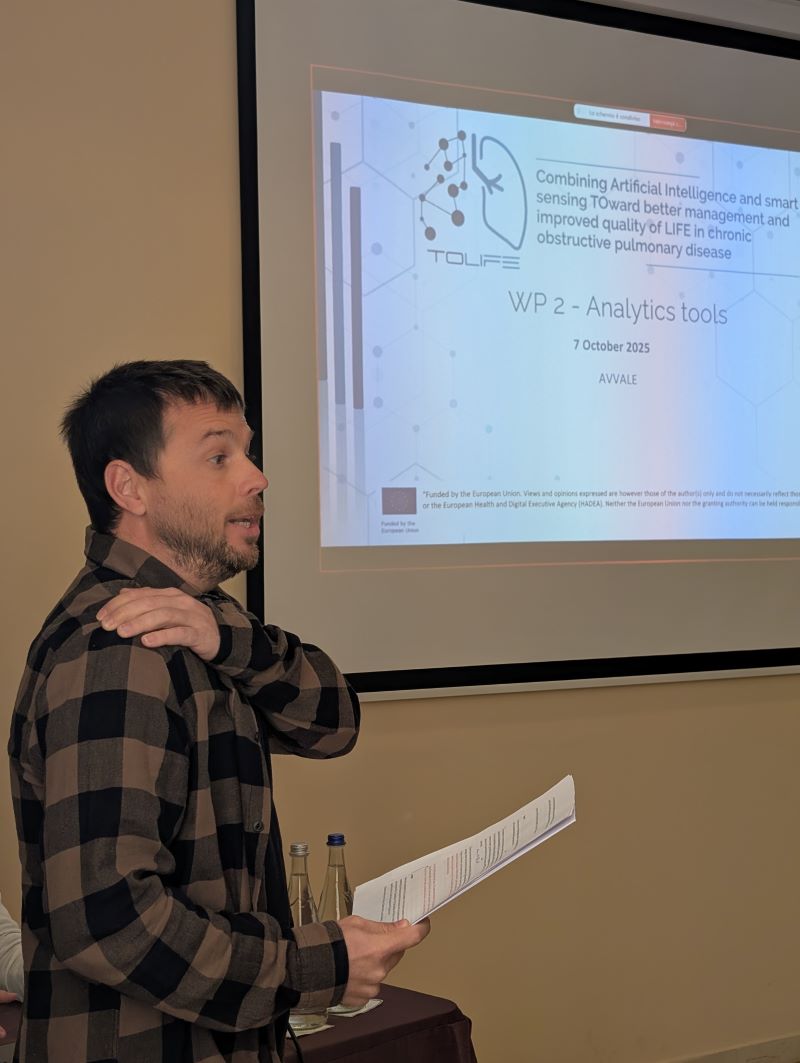
A central objective during the period was the refinement of the analytics tools: the consortium transitioned from early-stage prototyping to a fully automated infrastructure capable of managing complex data in real-time.

A substantial leap forward was the development of an automated system (Robotic Process Automation RPA) that collects data daily from home-based sensors and transforms them into a clean, organized formats. These files are stored in a central digital library that all partners can access (Network Attached StorageNAS). This guarantees that every analysis is performed on clean, ready-to-use data, ensuring results are both reliable and traceable.

The AI models have been trained to decode physiological signals across four key domains, enabling precise patient characterization and the assessment of health outcomes through non-intrusive, everyday devices:

  • Mobility: thanks to smart shoes, smartphones, and smartwatches, the algorithms can precisely calculate walking speed and stride length, vital indicators of functional capacity. A recent study has validated this adaptive AI framework, proving it can accurately estimate gait speed in daily life, regardless of the device combination worn, showing a strong correlation to the clinical six-minute walk distance (6MWD) standard(https://ieeexplore.ieee.org/document/11316495).
  • Sleep quality: a smart mattress cover allows for the monitoring of sleep duration, respiratory rate, heart rate, and nighttime movements, ensuring the immediate detection of any anomalies.
  • Heart health: advanced algorithms have been developed to refine cardiac signals extracted from smartphones, utilizing denoising techniques to remove motion artifacts and provide a precise heart rate reading.
  • Lung Function: the SpiroApp records daily breathing data and categorizes them as missing, unreliable, or acceptable through rigorous quality checks; this validated data stream allows the analytics models to predict trends in lung capacity over time.

To make these insights immediately understandable for clinicians, “traffic light” risk system (green, yellow, and red) was implemented. This phase incorporates logic based on clinical rules, where alerts are automatically triggered by walking speed or sleep efficiency drops below critical thresholds. By merging Artificial Intelligence with clinical experience, this hybrid approach ensures that alerts are consistently based on solid medical evidence.

However, it is recognized that for clinicians, receiving an alert is insufficient; it is essential to understand why the AI signaled a risk.  Work is therefore progressing on “Explainable AI” (XAI): the goal is to clearly illustrate which factors (for instance, a decrease in mobility combined with worsening sleep) pushed the system toward a red alert.

A medical tablet whose screen displays a red alert, alongside the words "Explainable AI." Below this are two modules indicating a reduction in walking speed and a sleep disturbance.

Smart Sensing: bridging clinical accuracy and daily life through reliable technology

In parallel, the smart sensing department finalized the technical validation of the physical monitoring kit. This process involved the functional testing of the TOLIFE smart sensors to assess their performance compared to reference instruments, ensuring they were accurate, affordable, and user-friendly for patients’ daily lives.

This integrated hardware suite includes:

  • a smart mattress cover, equipped with sensors that track heart and breathing rates during sleep, as well as its quality;
  • smart shoes, that analyze walking patterns and posture, providing vital data on daily mobility and physical activity;
  • a smartwatch and smartphone, that working in tandem, monitor heart rate and heart rate variability, while acting as the core engine that drives the system’s data flow;
  • a mini-spirometer, a portable device that, combined with a custom-developed app, allows patients to easily measure their lung function and blood oxygen levels from the comfort of home.

The latest field results confirm that the TOLIFE kit is an exceptionally powerful and reliable tool, maintaining a high level of stability with an average data loss rate of only 2%. This consistent performance ensures that doctors receive a continuous stream of dependable data, capturing both physiological signals and daily habits to provide a comprehensive picture of how COPD affects a patient’s life. Beyond its technical reliability, the prototypes have also been rigorously tested to meet safety and electromagnetic compatibility standards, fully validating their suitability for home use.

An integrated suite of smart medical tools and wearable technology, highlighted by a prominent infographic showing high data reliability.

From Cloud to Clinic: optimizing the collection platform and software interfaces for real-world impact

The development of the digital gateways connecting these tools reached its peak within the collection platform andsoftware interfaces work stream. During this crucial phase, the project finalized the “invisible engine” of TOLIFE project: a sophisticated cloud infrastructure designed to gather and organize massive amounts of data from wearable sensors, health questionnaires and medical reports.

The primary achievement of this period was the completion of two essential software tools, each designed to meet the specific needs of the project’s stakeholder. These tools are the result of an innovative fusion between cutting-edge Artificial Intelligence and advanced monitoring sensors to harvest authentic clinical insights from patients’ daily routines.

The first component is the Patient Management Tool (PMT), a sophisticated dashboard that aggregates real-time data directly from patients’ wearable devices to provide clinicians with a clear, comprehensive overview of exacerbation risksand quality life metrics. This web application allows doctors to monitor multiple patients simultaneously, intervene promptly thanks to risk alerts, and customize treatment plans based on individual needs.

During this stage, the PMT evolved from a simple display into a comprehensive management system: it now handles the logistics of the clinical trial, such as recruiting participants and setting up their devices.

A key priority was also enhancing sensor data quality control through new automated workflows designed to handle sensor malfunctions, questionnaire discrepancies, and visit scheduling. This ensures that the medical team always works with high-quality, reliable information without having to manually check every single data point.

The second tool is the Disease Information Tool (DIT), a software solution co-created through workshops with patients and Patient Advisory Group to ensure it meets real-world needs. Moving beyond simple data visualization, this user-friendly application empowers patients and caregivers by providing real-time risk alerts, personalized lifestyle indications, and treatment information tailored to the user’s real-time health status.

Another innovative update in this period was the integration of environmental data. Since the health of people living with COPD is deeply affected by their surroundings, the system now automatically connects to air quality and weatherservices in the three pilot sites (Spain, Italy and Germany) where the study is taking place. By linking environmental conditions to the patient’s own health data, doctors can gain a much clearer picture of how external factors impact their patients’ daily lives.

Behind the scenes, the team has worked tirelessly to ensure the system is secure, private, and easy to use. Every component has been rigorously tested to make sure the software is stable and the data is protected. To make the transition as smooth as possible for the medical staff, the team also developed comprehensive online user manuals, reducing the need for lengthy technical training.

the Patient Management Tool (PMT), a dashboard for clinical oversight, and the Disease Management Tool (DIT), a mobile app for patient health self-monitoring.

Observing to Prevent: building the evidence base for personalized COPD treatment

Evidence for these technological advancements comes from the ongoing Clinical Studies.

A key milestone of this stage was the implementation of Clinical Study A, designed to monitor COPD patients through their daily lives by recording data from wearable devices sensors. These information support the development of AI tools described above for the early detection of severe exacerbations and the assessment of health outcomes.

The clinical study was conducted at three sites in different EU countries – Italy (UNIPI), Spain (IMIM) and Germany(PRI) – and planned to enroll 150 patients to be followed for 12 months.

The clinical study has successfully enrolled 92 participants, reaching 61% of the total target through activities at the Spanish and German sites. Although bureaucratic challenges have delayed the Italian launch until August 2025 and impacted the timeline for the subsequent study (Clinical Study B), recruitment goals are being met by intensifying efforts at the most active locations. Furthermore, a new partnership with Thorax Research Foundation has been established to accelerate upcoming phases.

In terms of technical development, a sufficient volume of high-quality data has already been successfully collected, allowing the development of AI-based predicting models capable of forecasting patient deterioration.

Besides, to ensure the data accuracy, an automated monitoring system has been implemented to function as a “digital supervisor”, systematically checking all collected information for potential inconsistencies. Monthly reports are generated to identify and rectify any errors.

As the project enters its third and final window, preparations for Clinical Study B are already underway. While Study A is observational in nature, Study B focuses on intervention and action. This upcoming phase is designed to test the effectiveness of the TOLIFE intervention, specifically evaluating whether personalized treatments based on sensor data can effectively reduce the risk of exacerbations. The new partner, Thorax Research Foundation, has been integrated into the team to support recruitment efforts and facilitate the application of lessons learned from the initial study.

Elderly man running in a park with a smartwatch on his wrist

The “Sixth Vital Sign”: tracking mobility to revolutionize predictive medicine

By Articles, News No Comments

26 January 2026

Walking is far more than a physical act; it is a complex reflection of our respiratory, neurological, and psychological health.

While standard clinical evaluations remain essential for diagnosis, there is a growing recognition of the need to complement these “point-in-time” assessments with long-term data collected in a patient’s natural environment. In this context, gait speed (GS) has emerged as the “sixth vital sign” offering a sensitive and reliable metric for predicting health outcomes across different conditions, such as cardiovascular, respiratory, neurodegenerative and psychiatric diseases.

In patients with chronic obstructive pulmonary disease (COPD), mobility loss is a primary prognostic factor for mortality and increased healthcare costs. However, despite its significance, real-world mobility tracking is not yet a standard clinical practice. Bridging this gap through non-invasive sensors and AI-driven predictive algorithms is crucial for improving disease management, identifying exacerbations early and personalizing long-term patient care.

TOLIFE solution: a multimodal approach to personalized care

To address the clinical imperative for a longitudinal mobility surveillance in COPD patients, the European Union-funded TOLIFE project has developed a pioneering methodology designed to bring diagnostic precision into the patient’s home. By using Artificial Intelligence and discreet sensors that monitor heath conditions during daily life activities, TOLIFE aim to predict flare-ups and to provide personalized interventions, ultimately improving the quality of life for COPD patients.

As a central part of this mission, TOLIFE has conducted a scientific study to develop a novel method for estimating gait speed from a heterogeneous set of wearable devices. The research investigated how smartphones, smartwatches and smart shoes can work both independently and in concert to provide accurate mobility insights: by exploring these technological synergies, TOLIFE developed a flexible framework that adapts to each patient’s lifestyle, allowing them to use whichever combination of devices they find most comfortable or accessible.

From wrist to feet: How AI decodes every step

This specific study focused on three daily items from the TOLIFE kit:

  • a smartphone;
  • a smartwatch;
  • a pair of smart shoes.

The smartwatch and the smartphone use internal motion sensors to track the patient’s balance and movement patterns. The smart shoes have an electronic unit integrated into the heel area of the insole and three pressure sensors that monitor how the foot strikes the ground. TOLIFE team built two specialized Android apps to gather information from the phone and watch sensors. The smartphone app also functioned as a hub to receive data from the smart shoes via Bluetooth. By bringing together data from the wrist, the pocket and the feet, the system creates a complete picture of a patient’s mobility.
Three wearable devices (a smartphone, a smartwatch, and a pair of smart shoes) tracking vital functions, including mobility

To verify the model’s accuracy, the data sensors were compared with that of a high-precision professional system, called Xsens Awinda. This system makes use of 17 sensors placed across the body to measure movement speed with extreme precision. The data collected by this reference system have been used as benchmark to train our model to correctlymeasure walking speed.
The research involved 20 young healthy volunteers who wore the reference system and the experimental devices, with the smartwatch on the left wrist and the smartphone in the front pocket.

The subjects had to perform a modified version of the of the Six-Minute-Walking-Test (6MWT), which required them to walk along a 10-meter flat path, allowing about 50 cm for each turn. Each person completed the test three times at different speeds: slow, medium and fast; this allowed to analyze how the sensors recorded movement across a wide range of walking paces while keeping the devices in the same position.

To find the most accurate setup for tracking movement in daily life, the devices were employed one by one, collectively or in combination. Therefore, 7 different systems were tested:

  • phone;
  • watch;
  • shoes;
  • phone + watch;
  • phone + shoes;
  • watch + shoes;
  • all the devices.

The study evaluated the accuracy of every configuration of wearable sensors, identifying the key variables that most heavily influence the AI-driven predictive models.

Therefore, 7 distinct machine learning models were created, one for every possible combination of these devices: after a pre-processing phase of the raw data, the sensor signals were divided into small 5-second segments; from these segments, several key statistical values (features) were extracted (148 for phone and watch, and 222 for shoes), so a smart selection process was applied to isolate only the 10 most important characteristics for each device combination. After defining the models’ mathematical formulas, the algorithm was validated through the “Leave-One-Subject-Out”approach: the model was trained on data from all subjects, excluding one individual used as a final test case; this procedure was repeated for each participant to ensure the system is robust and functions correctly with any new user.

Which wearable combination truly wins?

The findings demonstrated that the models achieved a high level of accuracy in estimating walking speed.

Smartphone and smart shoes synchronization for continuous gait speed monitoring

The standalone contenders

At first glance, the smartphone appears to be the champion of accuracy. Because it’s typically carried in a pocket, close to the body’s center of mass, it provides very precise speed readings. However, during the tests, the phone was kept in a fixed controlled position. In real life, phones bounce around or sit in bags, which might make these results hard to replicate.

In contrast, the smartwatch proved to be a more reliable “all-rounder”. While it may be slightly less accurate than the phone on its own, its consistent presence on the wrist ensures more dependable data in real-world conditions. Furthermore, the smartwatch captures additional physiological metrics, such as heart rate (HR), which could potentially further enhance prediction accuracy.

The winning combination

The real breakthrough occurred through the pairing of multiple devices. It was found that the ultimate “effective formula” for tracking walking is the smartwatch paired with smart shoes. This duo achieved the highest level of accuracy, outperforming even the most stable smartphone readings. It appears that data from the wrist and the feet complement each other, effectively filling the information gaps that a single device might miss.

The surprise: less is more

Interestingly, evidence suggests that using all devices at once actually worsened the results. This might seem counterintuitive, but it is primarily due to “data noise”. When a model receives too much overlapping information from various sensors, it struggles to distinguish between relevant and redundant data, which in turn reduces its predictive power.

Future perspectives: A new era of flexible health monitoring

This research marks a significant milestone in wearable technology, showcasing how a strategic assembly of devices can redefine health monitoring in real-world settings. By moving beyond the reliance on a single sensor, TOLIFE system utilizes an intelligent algorithm that adapts to any combination of these three tools. This creates a robust failsafe: whether the devices work together as a powerhouse ensemble for maximum precision or function independently, the flow of health data remains uninterrupted and accurate, even if one device runs out of power or is temporarily removed.

The true value of this multi-device approach lies in its patient-centered design. Giving individuals the flexibility to choose the most suitable device for their daily activities significantly improves long-term compliance. For those managing chronic conditions like COPD, this means moving from reactive to proactive care. By detecting subtle, day-to-day changes in mobility, clinicians can personalize treatment plans and intervene early, potentially preventing complications and enhancing overall quality of life.

Ultimately, this framework offers a new standard for remote healthcare. While particularly effective for respiratoryhealth, its implications extend to any condition where mobility is a key indicator, such as Parkinson’s disease, heart failure or mental disorders. This study proves that the future of medical monitoring lies in technology that is as dynamic and adaptable as the patients who use it.

Interested to know more about this research? Read the full scientific article here: https://www.mdpi.com/1424-8220/24/10/3205

TOLIFE 3rd GA in Bologna

By Articles, News No Comments

9 October 2025

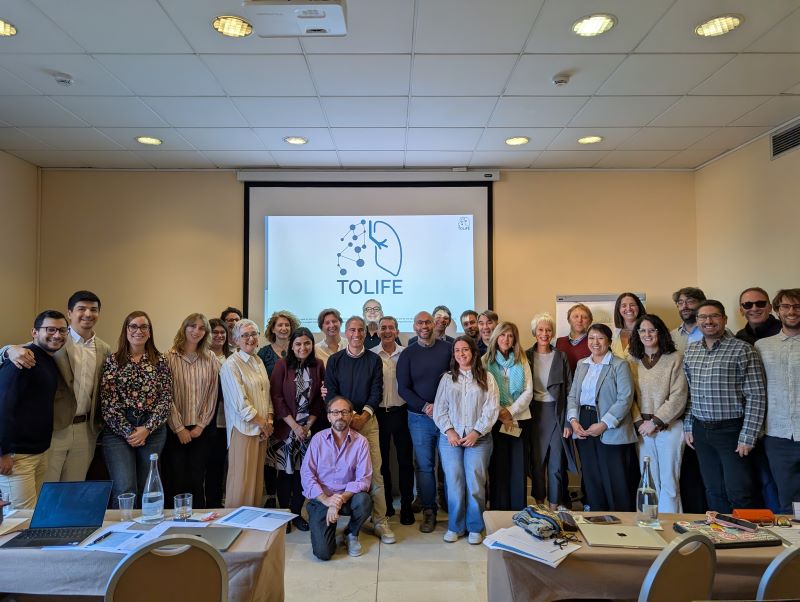
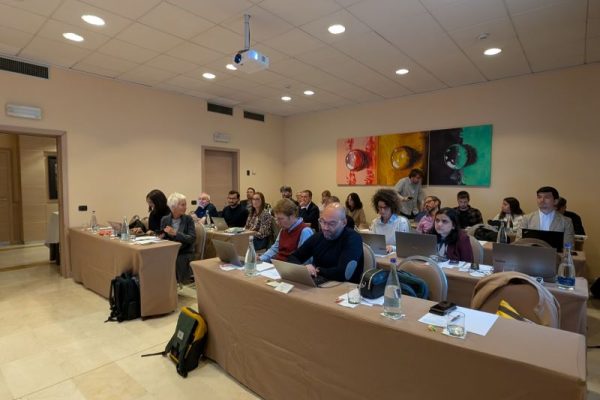
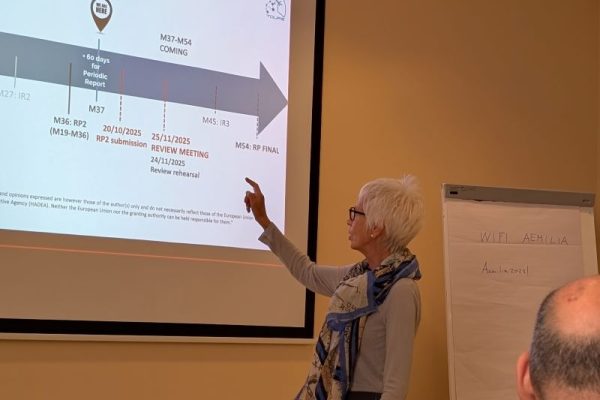
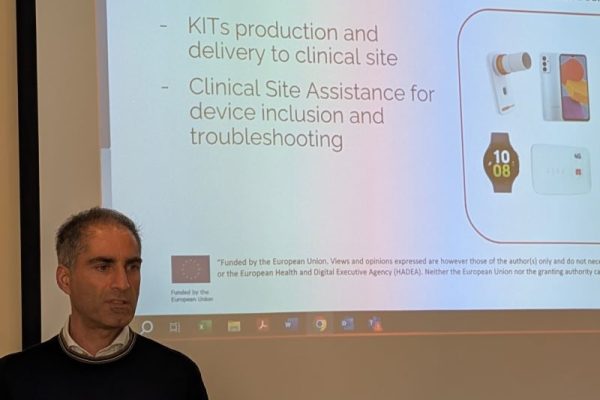
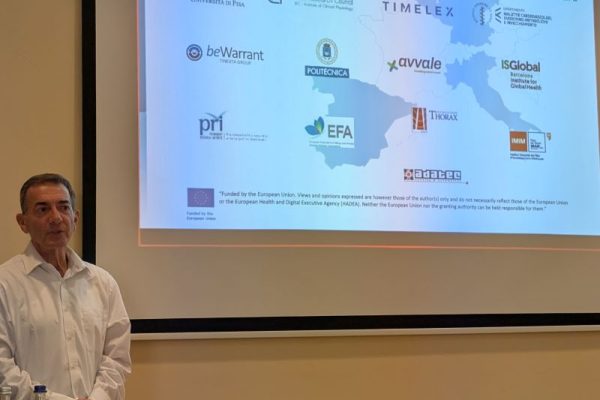
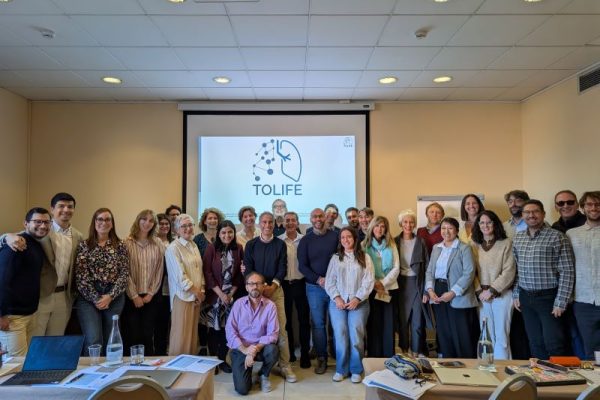
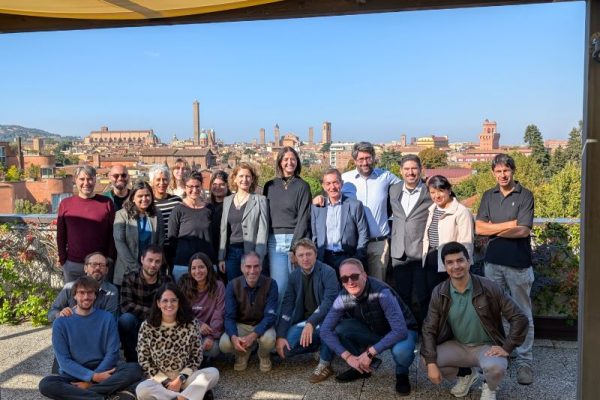
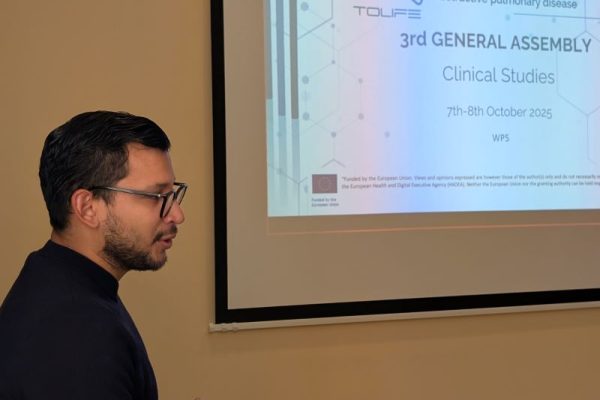
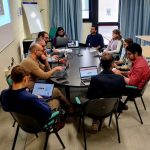
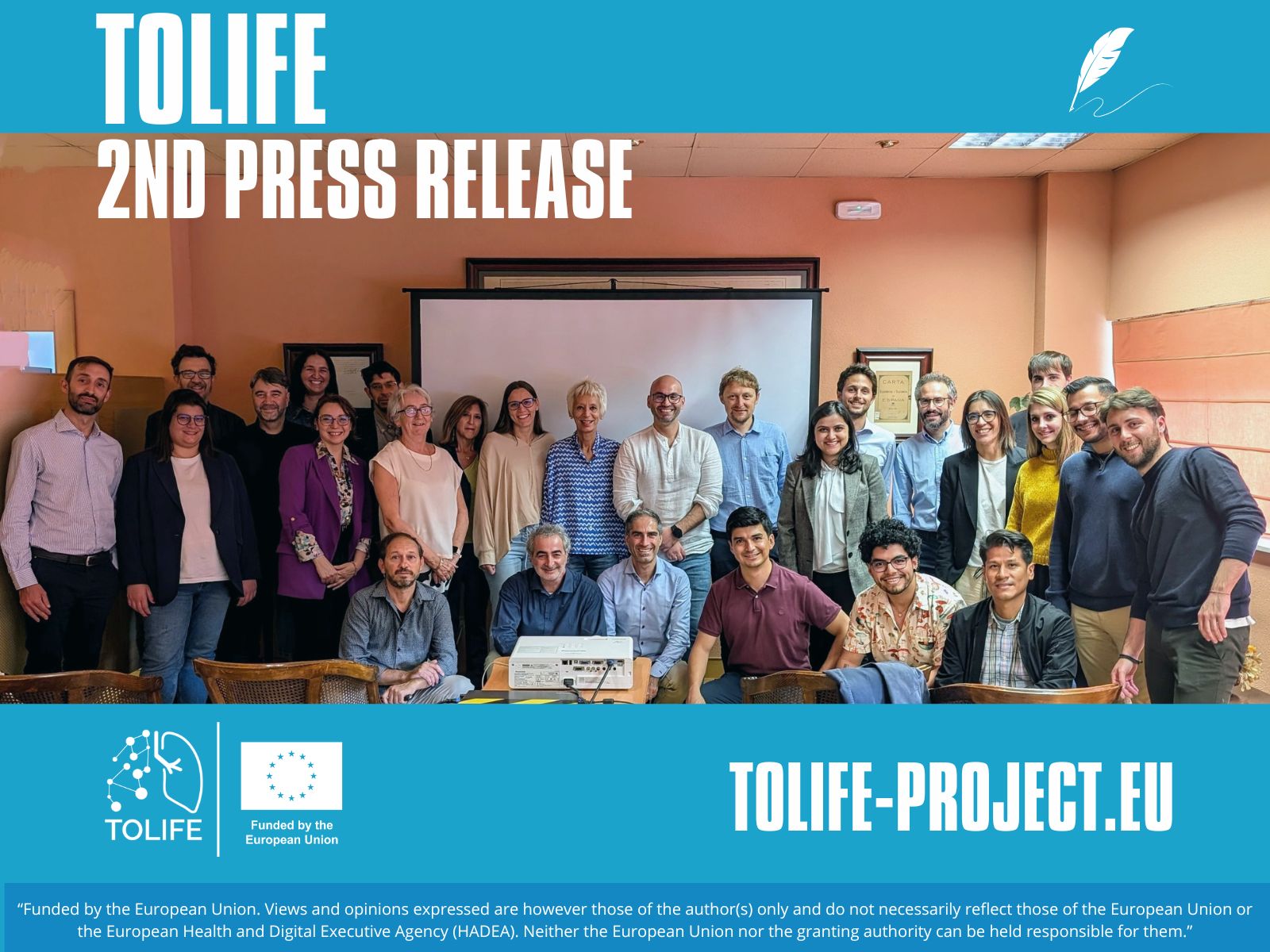
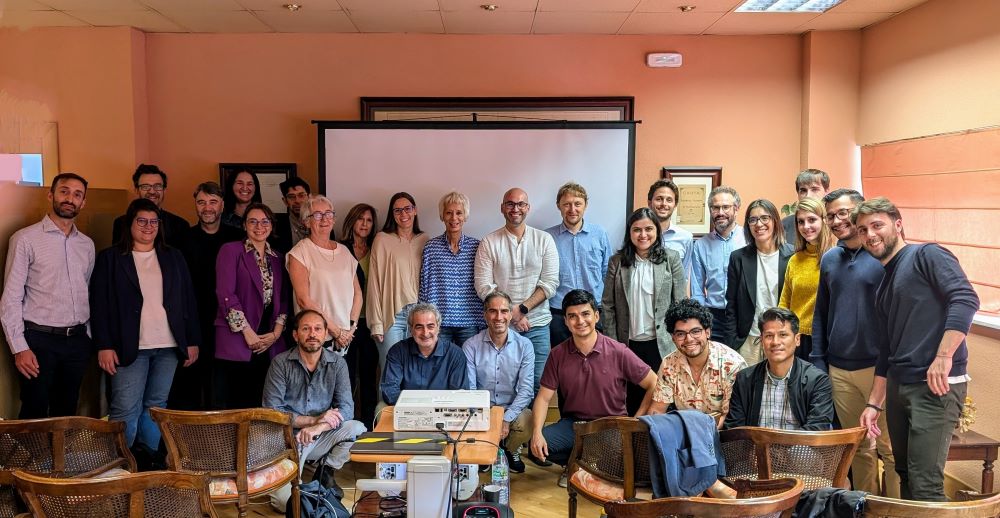
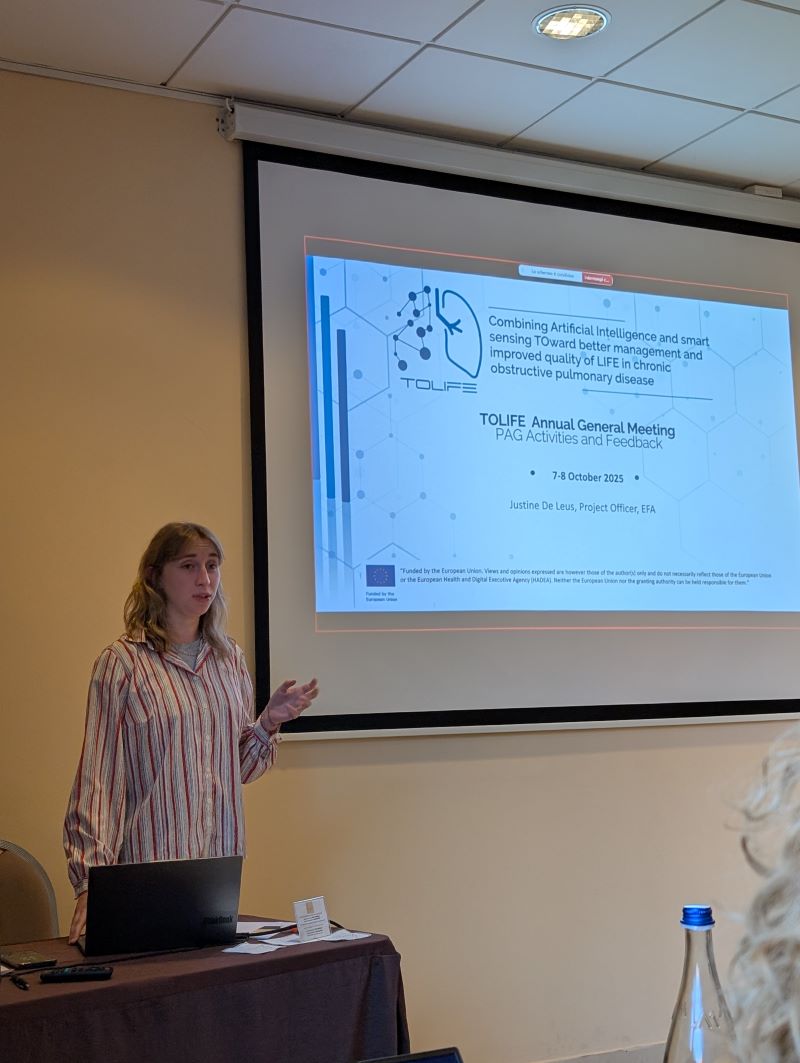
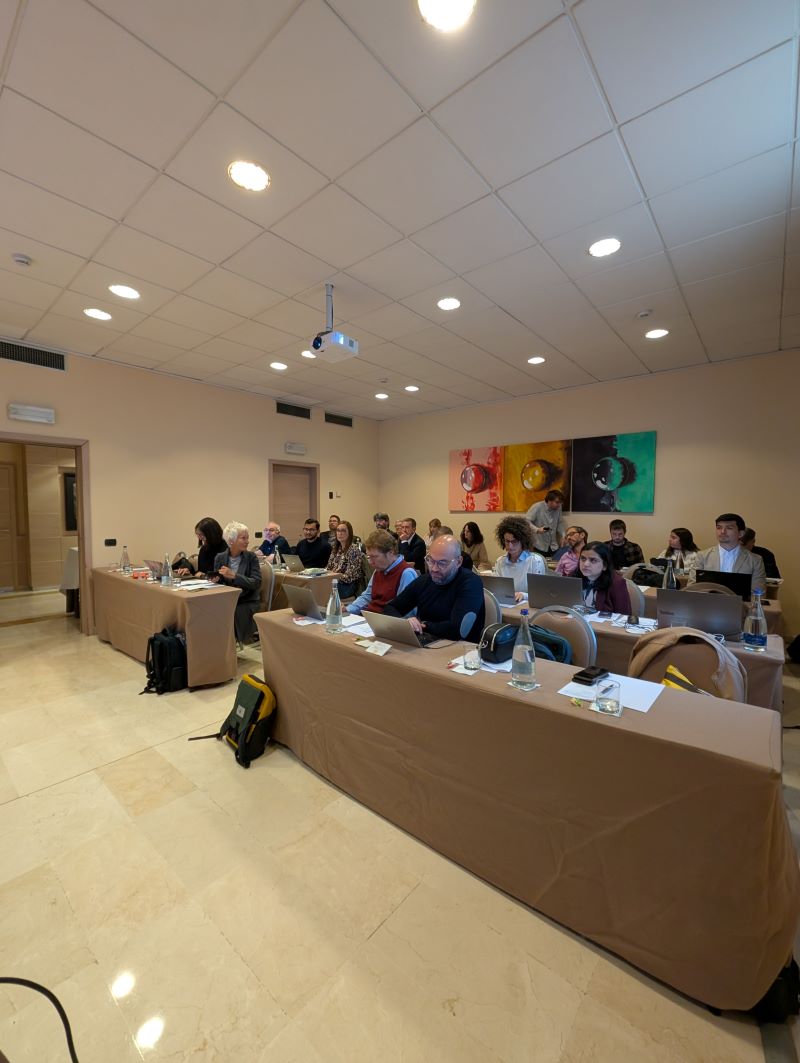
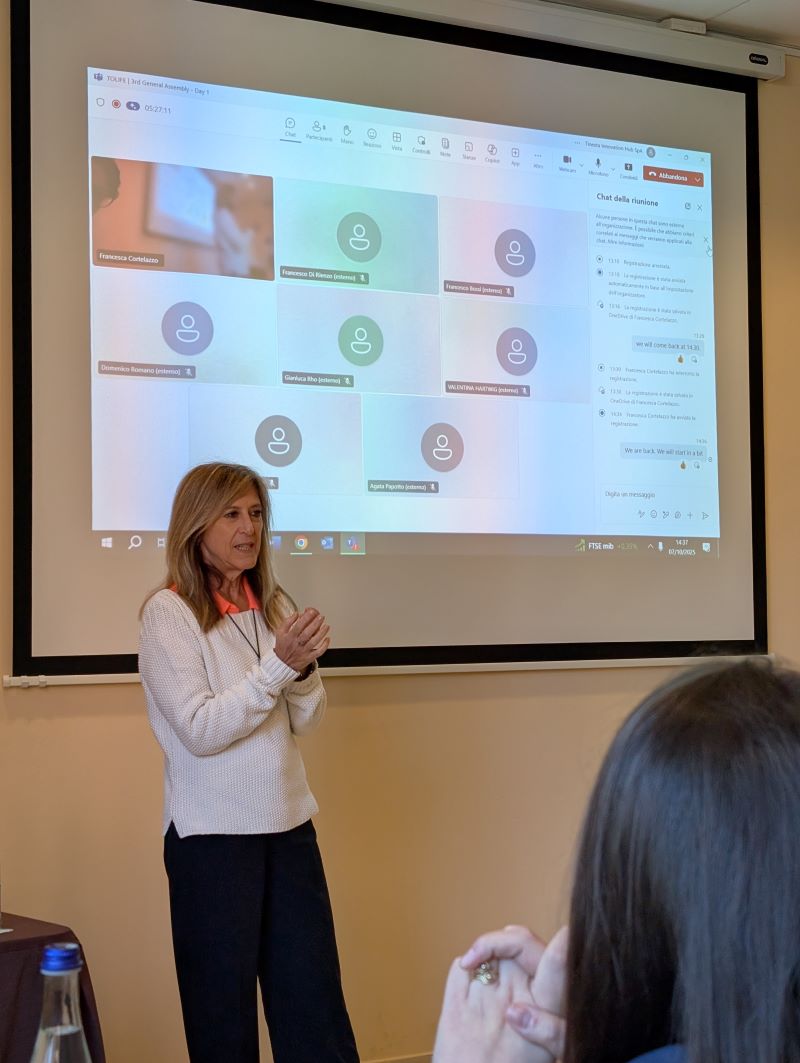
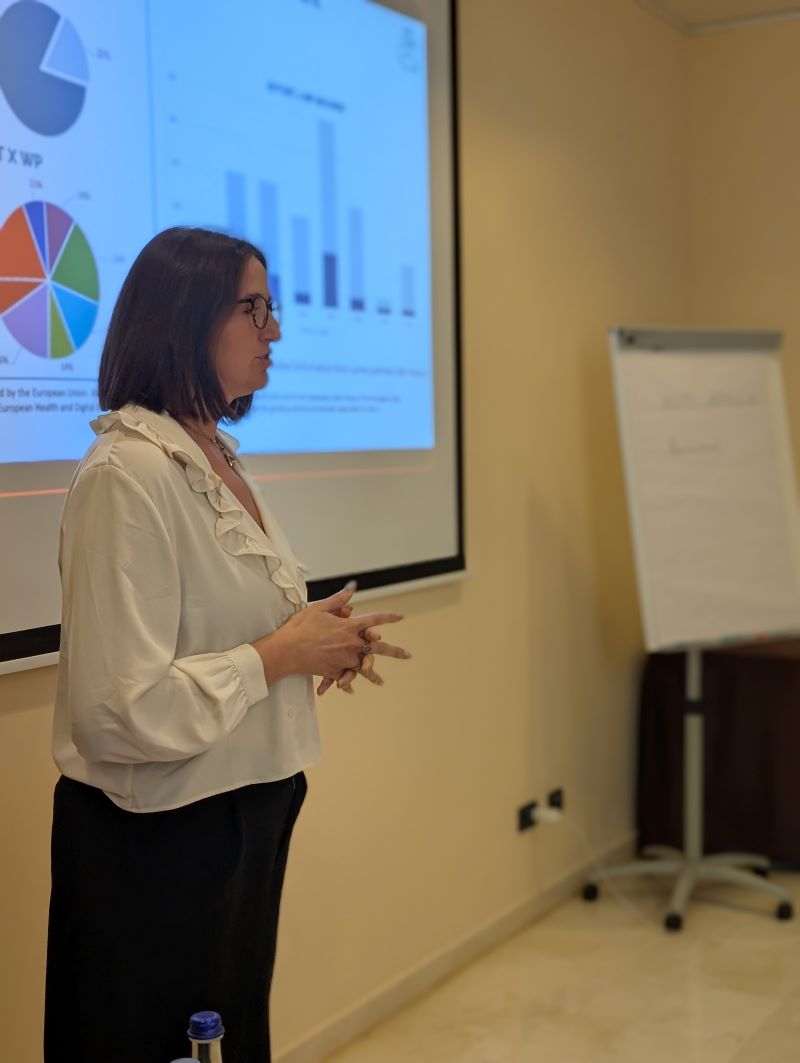
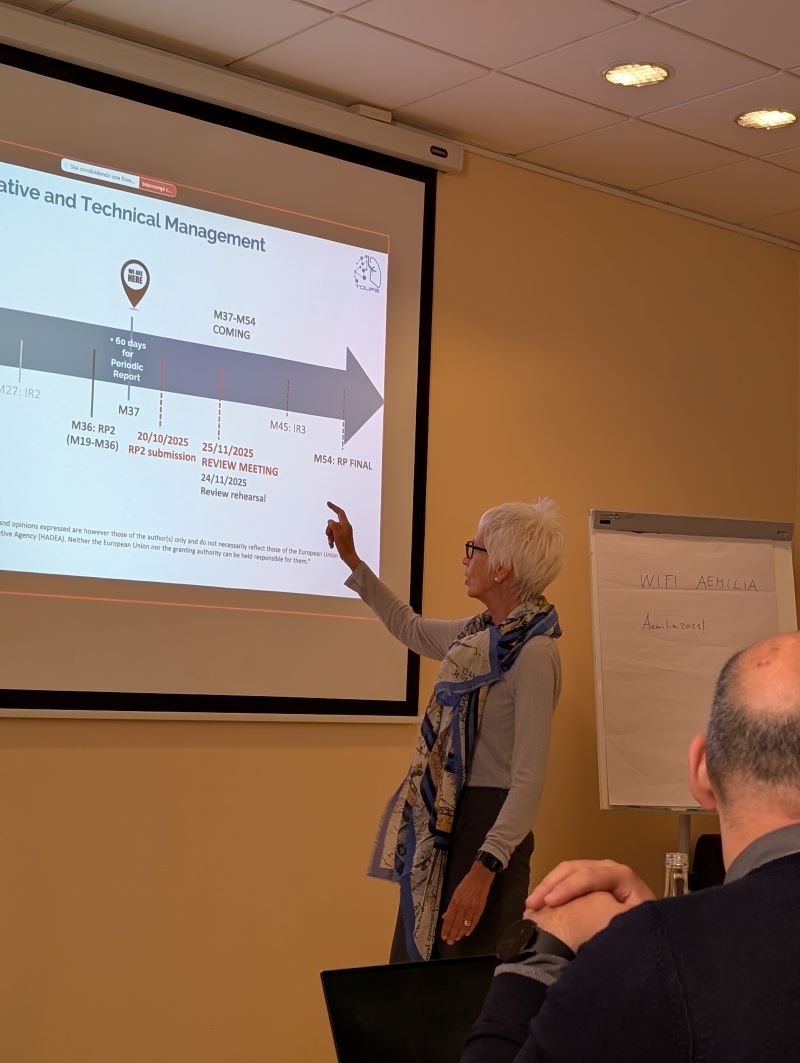
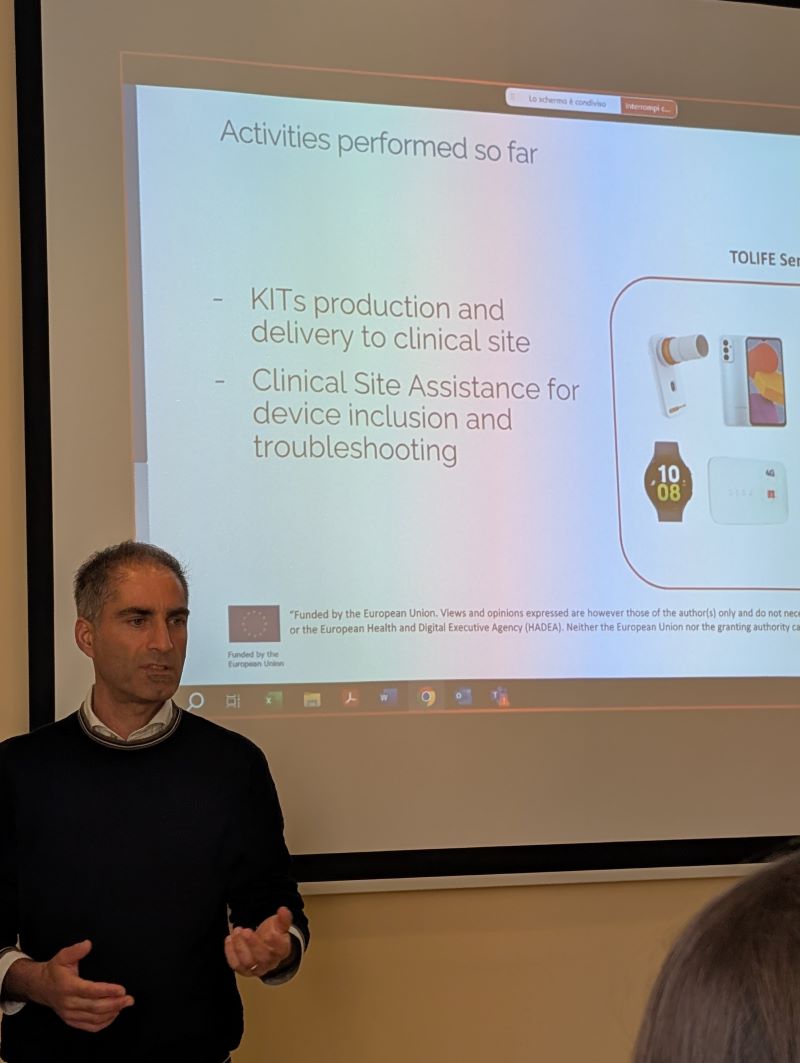
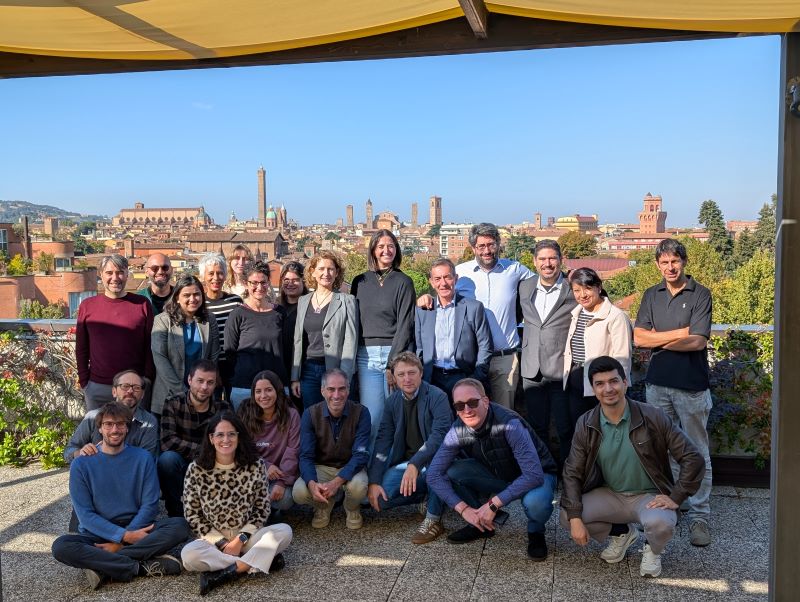
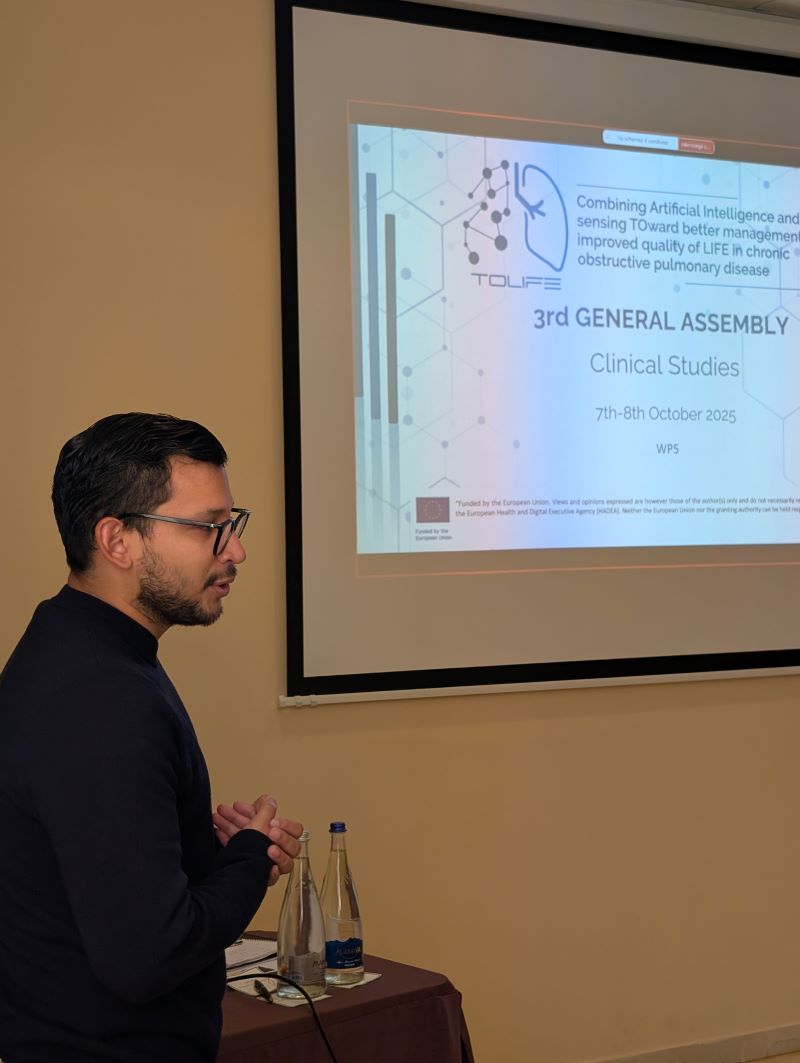
The TOLIFE consortium gathered in Bologna for the third in-person General Assembly since the project’s beginning. The meeting, hosted by Tinexta Innovation Hub | beWarrant, brought together all partners to review progress, discuss ongoing activities, and plan the next steps for the coming months.

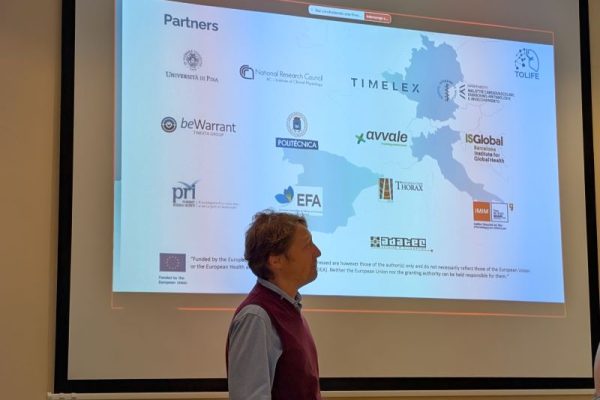
The session was opened by Alessandro Tognetti, project coordinator, who provided an overview of the work accomplished so far and outlined the roadmap ahead. He also welcomed the representatives of Thorax Foundation, the newest member of the consortium, who introduced themselves and their contribution to the project.

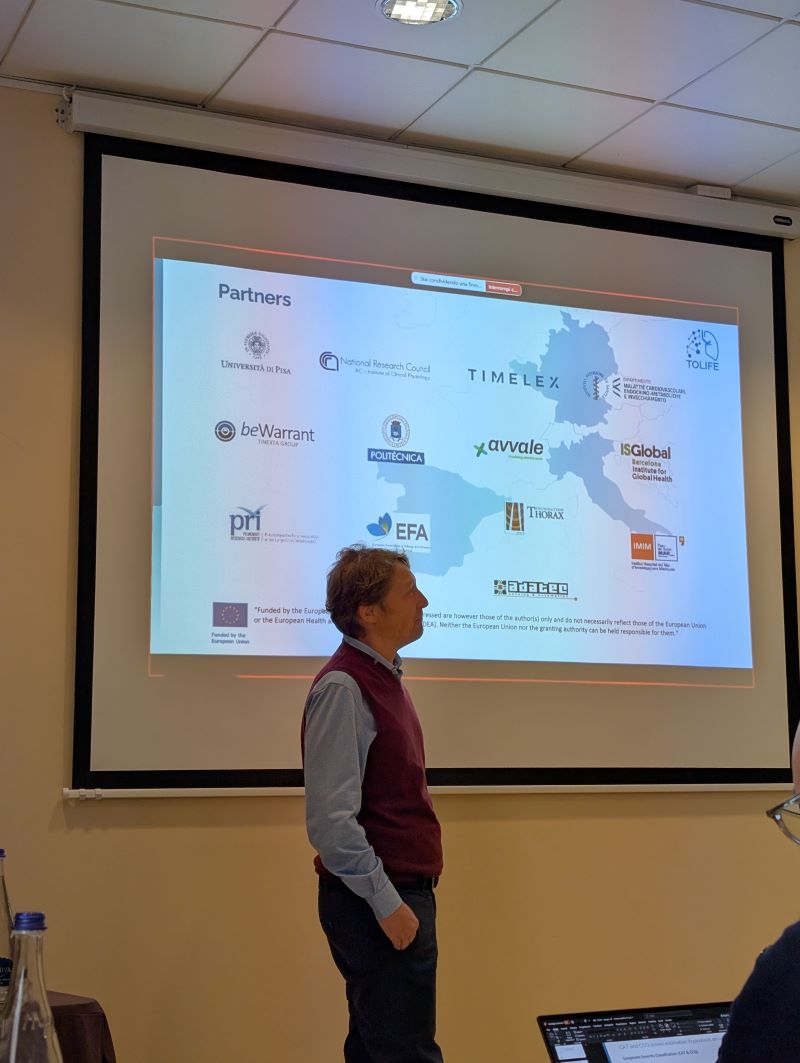
Throughout the meeting, partners presented updates from their respective work packages, covering a wide range of topics from the clinical aspects to the development of smart sensors and the user interface. The discussions highlighted the collaborative spirit of the consortium and the shared commitment to advancing innovative digital solutions for respiratory health.

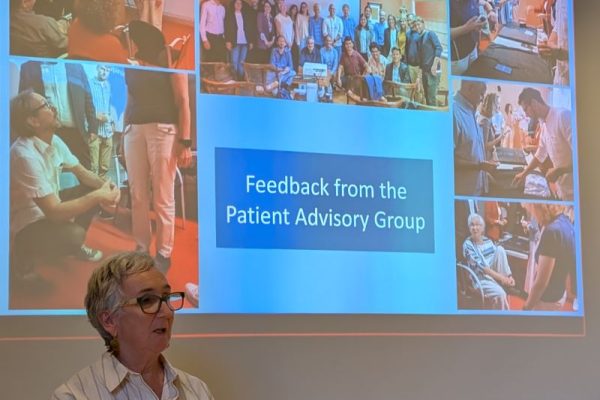
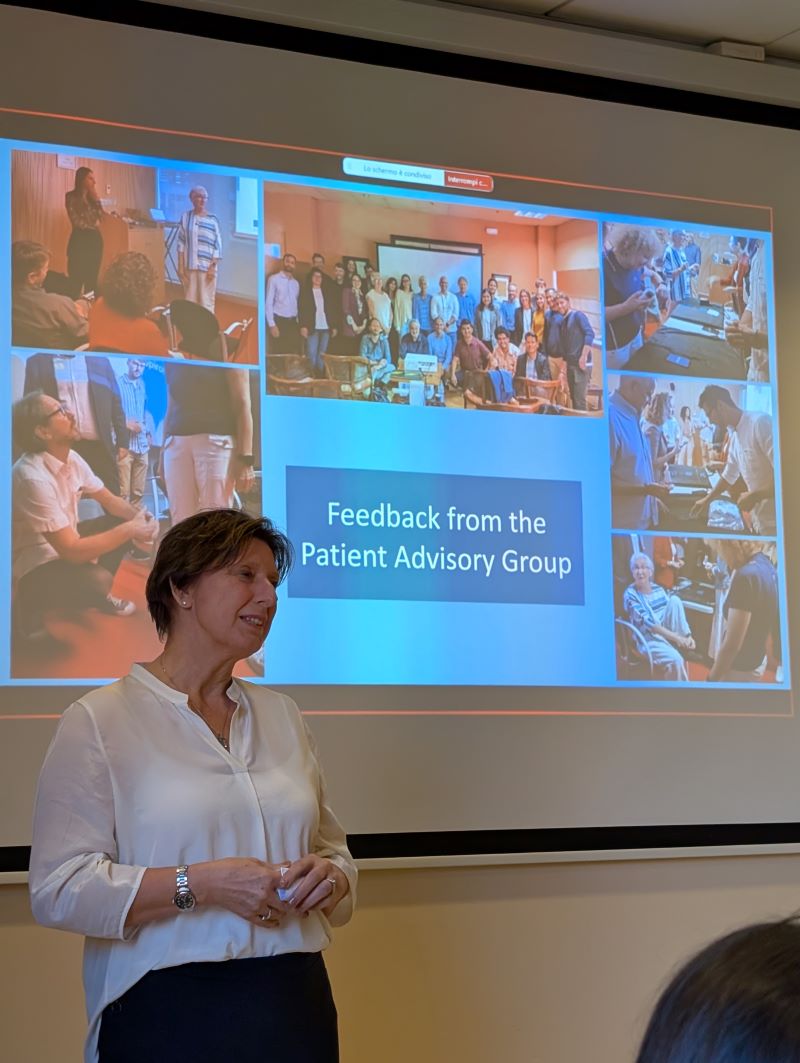
Both patients and members of the Advisory Board expressed their satisfaction with the project’s progress, emphasizing their appreciation for being actively involved in the work and for the continuous and meaningful engagement ensured by the consortium.

The General Assembly also served as an important step in preparation for the upcoming Review Meeting, which will take place in the following weeks.

𝐈𝐬𝐚𝐛𝐞𝐥 𝐒𝐚𝐫𝐚𝐢𝐯𝐚

Communication to all TOLIFE partners and friends

By News, Senza categoria No Comments

16 January 2024

We extend our condolences for the sad loss of 𝐈𝐬𝐚𝐛𝐞𝐥 𝐒𝐚𝐫𝐚𝐢𝐯𝐚, President of the Portugese Respira Association. The following statement has been released by the European Federation of Allergy and Airways Diseases Patients’​ Associations (EFA):

𝐈𝐬𝐚𝐛𝐞𝐥 𝐒𝐚𝐫𝐚𝐢𝐯𝐚

“𝑊𝑒 𝑎𝑟𝑒 𝑑𝑒𝑒𝑝𝑙𝑦 𝑠𝑎𝑑𝑑𝑒𝑛𝑒𝑑 𝑡𝑜 𝑖𝑛𝑓𝑜𝑟𝑚 𝑡ℎ𝑎𝑡 𝑃𝑟𝑒𝑠𝑖𝑑𝑒𝑛𝑡 𝑜𝑓 𝑅𝐸𝑆𝑃𝐼𝑅𝐴 𝐴𝑠𝑠𝑜𝑐𝑖𝑎𝑡𝑖𝑜𝑛, 𝑃𝑜𝑟𝑡𝑢𝑔𝑎𝑙, 𝑜𝑢𝑟 𝑑𝑒𝑎𝑟 𝑓𝑟𝑖𝑒𝑛𝑑 𝑎𝑛𝑑 𝑐𝑜𝑙𝑙𝑒𝑎𝑔𝑢𝑒, 𝐼𝑠𝑎𝑏𝑒𝑙 𝑆𝑎𝑟𝑎𝑖𝑣𝑎 ℎ𝑎𝑠 𝑝𝑎𝑠𝑠𝑒𝑑 𝑎𝑤𝑎𝑦.

𝑊𝑒 ℎ𝑎𝑣𝑒 𝑘𝑛𝑜𝑤𝑛 𝐼𝑠𝑎𝑏𝑒𝑙 𝑠𝑖𝑛𝑐𝑒 2013 𝑤ℎ𝑒𝑛 𝑅𝐸𝑆𝑃𝐼𝑅𝐴 𝑗𝑜𝑖𝑛𝑒𝑑 𝐸𝐹𝐴. 𝑆𝑖𝑛𝑐𝑒 𝑡ℎ𝑒𝑛, 𝑠ℎ𝑒 ℎ𝑎𝑠 𝑏𝑒𝑒𝑛 𝑎 𝑐𝑜𝑟𝑛𝑒𝑟𝑠𝑡𝑜𝑛𝑒 𝑜𝑓 𝑜𝑢𝑟 𝐶𝑂𝑃𝐷 𝑚𝑒𝑚𝑏𝑒𝑟𝑠 𝑐𝑜𝑚𝑚𝑢𝑛𝑖𝑡𝑦. 𝐻𝑒𝑟 𝑝𝑜𝑠𝑖𝑡𝑖𝑣𝑖𝑡𝑦, 𝑔𝑟𝑒𝑎𝑡 𝑠𝑒𝑛𝑠𝑒 𝑜𝑓 ℎ𝑢𝑚𝑜𝑟, 𝑠ℎ𝑎𝑟𝑝 𝑚𝑖𝑛𝑑 𝑎𝑛𝑑 𝑑𝑒𝑑𝑖𝑐𝑎𝑡𝑖𝑜𝑛 ℎ𝑎𝑠 𝑝𝑙𝑎𝑦𝑒𝑑 𝑎𝑛 𝑜𝑢𝑡𝑠𝑡𝑎𝑛𝑑𝑖𝑛𝑔 𝑟𝑜𝑙𝑒 𝑖𝑛 𝑖𝑚𝑝𝑟𝑜𝑣𝑖𝑛𝑔 𝑞𝑢𝑎𝑙𝑖𝑡𝑦 𝑜𝑓 𝑙𝑖𝑣𝑒𝑠 𝑜𝑓 𝑝𝑎𝑡𝑖𝑒𝑛𝑡𝑠 𝑤𝑖𝑡ℎ 𝑟𝑒𝑠𝑝𝑖𝑟𝑎𝑡𝑜𝑟𝑦 𝑑𝑖𝑠𝑒𝑎𝑠𝑒𝑠. 𝐼𝑠𝑎𝑏𝑒𝑙 𝑤𝑎𝑠 𝑎 𝑠𝑢𝑝𝑒𝑟 𝑎𝑑𝑣𝑜𝑐𝑎𝑡𝑒 𝑎𝑛𝑑 ℎ𝑎𝑠 𝑚𝑎𝑑𝑒 𝑎 𝑟𝑒𝑚𝑎𝑟𝑘𝑎𝑏𝑙𝑒 𝑐𝑜𝑛𝑡𝑟𝑖𝑏𝑢𝑡𝑖𝑜𝑛 𝑡𝑜 𝑟𝑎𝑖𝑠𝑖𝑛𝑔 𝑡ℎ𝑒 𝑆𝑡𝑎𝑛𝑑𝑎𝑟𝑑𝑠 𝑜𝑓 𝐶𝑎𝑟𝑒 𝑎𝑛𝑑 𝑃𝑟𝑒𝑣𝑒𝑛𝑡𝑖𝑜𝑛 𝑓𝑜𝑟 𝐶𝑂𝑃𝐷 𝑖𝑛 𝐸𝑢𝑟𝑜𝑝𝑒.𝐴𝑠 𝑎 𝑓𝑜𝑟𝑚𝑒𝑟 𝐶ℎ𝑎𝑖𝑟 𝑜𝑓 𝑡ℎ𝑒 𝐸𝑢𝑟𝑜𝑝𝑒𝑎𝑛 𝐿𝑢𝑛𝑔 𝐹𝑜𝑢𝑛𝑑𝑎𝑡𝑖𝑜𝑛 𝑎𝑠 𝑤𝑒𝑙𝑙 𝑤ℎ𝑒𝑛 𝑠𝑒𝑟𝑣𝑖𝑛𝑔 𝑎𝑠 𝐸𝐹𝐴 𝑏𝑜𝑎𝑟𝑑 𝑚𝑒𝑚𝑏𝑒𝑟 𝐼𝑠𝑎𝑏𝑒𝑙 𝑤𝑎𝑠 𝑖𝑛𝑐𝑙𝑢𝑠𝑖𝑣𝑒, 𝑒𝑚𝑝𝑎𝑡ℎ𝑒𝑡𝑖𝑐 𝑎𝑛𝑑 𝑓𝑢𝑙𝑙 𝑜𝑓 𝑠𝑜𝑙𝑖𝑑𝑎𝑟𝑖𝑡𝑦. 𝑊𝑒 𝑤𝑜𝑢𝑙𝑑 𝑙𝑖𝑘𝑒 𝑡𝑜 𝑟𝑒𝑝𝑟𝑒𝑠𝑒𝑛𝑡 𝑜𝑢𝑟 𝑑𝑒𝑒𝑝𝑒𝑠𝑡 𝑠𝑦𝑚𝑝𝑎𝑡ℎ𝑦 𝑎𝑛𝑑 𝑠𝑖𝑛𝑐𝑒𝑟𝑒 𝑐𝑜𝑛𝑑𝑜𝑙𝑒𝑛𝑐𝑒𝑠 𝑡𝑜 𝑅𝐸𝑆𝑃𝐼𝑅𝐴 𝑎𝑛𝑑 𝐼𝑠𝑎𝑏𝑒𝑙’𝑠 𝑓𝑎𝑚𝑖𝑙𝑦, 𝑓𝑟𝑖𝑒𝑛𝑑𝑠 𝑎𝑛𝑑 𝑐𝑜𝑙𝑙𝑒𝑎𝑔𝑢𝑒𝑠.

𝑇ℎ𝑎𝑛𝑘 𝑦𝑜𝑢 𝐼𝑠𝑎𝑏𝑒𝑙, 𝑦𝑜𝑢 𝑤𝑖𝑙𝑙 𝑏𝑒 𝑚𝑖𝑠𝑠𝑒𝑑, 𝑜𝑢𝑟 𝑐𝑜𝑚𝑚𝑢𝑛𝑖𝑡𝑦 𝑤𝑖𝑙𝑙 𝑛𝑜𝑡 𝑏𝑒 𝑡ℎ𝑒 𝑠𝑎𝑚𝑒 𝑤𝑖𝑡ℎ𝑜𝑢𝑡 𝑦𝑜𝑢.”

Tech Tools for TOLIFE project

Insights from the TOLIFE Smart Sensors Workshop at CNR, Pisa

By Articles, News, Technical meeting No Comments

15 January 2024

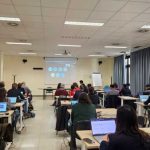
In the heart of Pisa, at the esteemed CNR (Consiglio Nazionale delle Ricerche), the “TOLIFE Smart Sensors and Data Collection Platform” workshop unfolded over three enlightening days from January 10 to 12, 2024. This workshop offered a glimpse into the innovative strides being made within the TOLIFE project.

Day 1: Pioneering Protocols and Collaborative Endeavors 

Kicking off the workshop, CNR and the University of Pisa hosted an immersive exploration into crafting meticulous protocols for the “TOLIFE smart sensors and data collection platform” training. The collaborative effort aimed at standardizing procedures marks a significant stride in the journey towards testing innovative healthcare technologies on individuals dealing with chronic obstructive pulmonary disease (COPD).

In late February 2024, Clinical Study A will commence preliminary tests on healthy individuals, paving the way for subsequent testing on a selected group of 150 patients (Group A). This cohort will be monitored for 12 months, recording exacerbations and undergoing periodic clinical examinations, serving as vital references for the integrated Artificial Intelligence tools in the TOLIFE platform.

Day 2: Unveiling the TOLIFE Kit

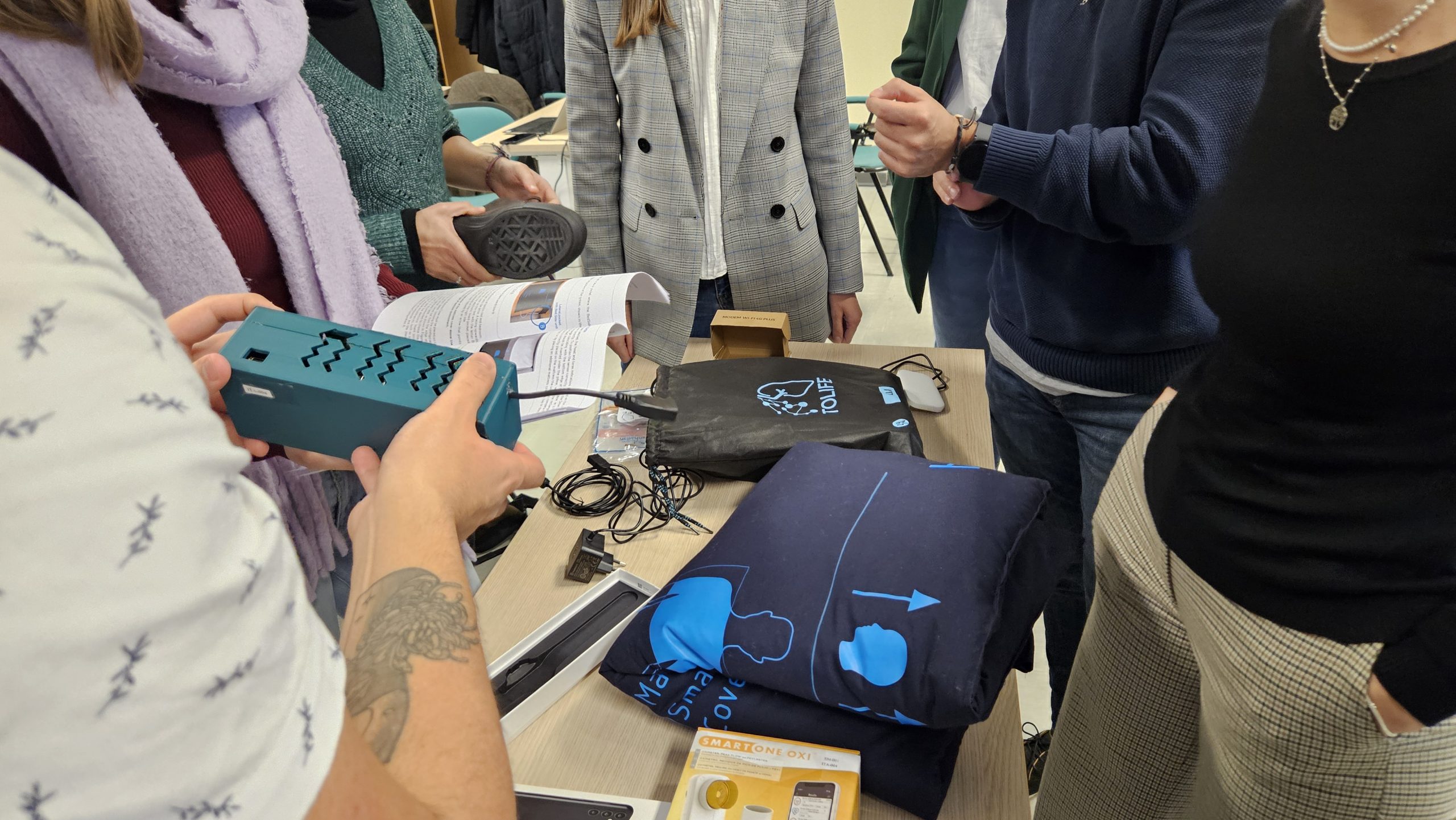
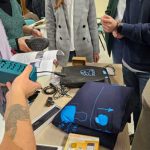
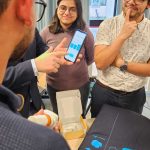
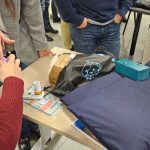
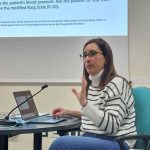
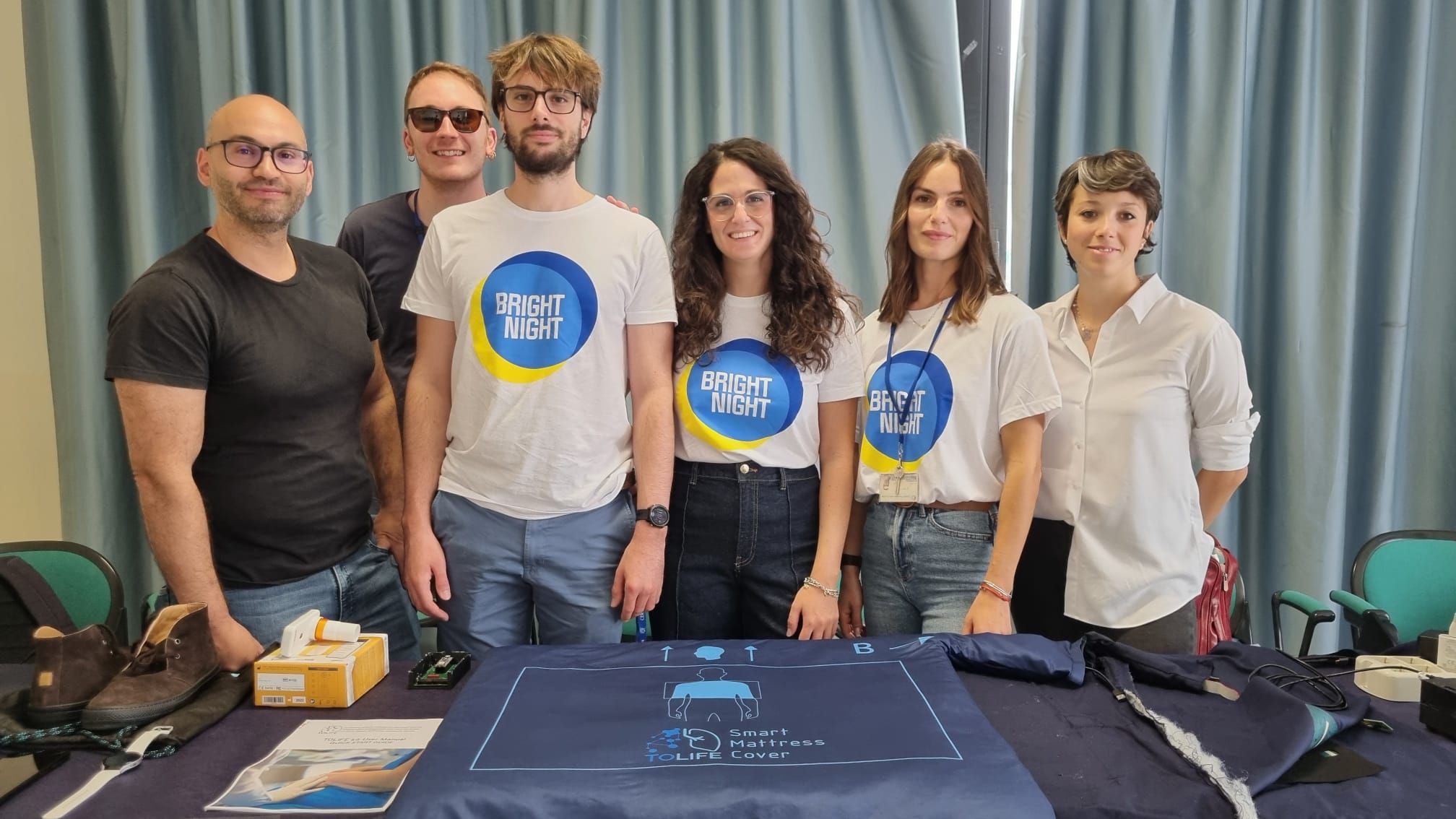
The second day witnessed the unveiling of the comprehensive TOLIFE sensor kit, presented through the “TOLIFE Kit User Manual.” Professor Nicola Carbonaro took center stage, guiding dedicated volunteers through the installation, usage, and recharging processes of these groundbreaking devices. The TOLIFE kit includes a Wifi Router, Smart Mattress Cover with Bedroom Box, Smartwatch, Smartphone, Smart Shoes, and Spirometer.

Day 3: Revolutionizing Data Collection with the TOLIFE Platform

The third and final day delved into the design and technical functionalities of the TOLIFE platform, poised to revolutionize data collection with its smart sensors. The morning began with an in-depth presentation and discussion, setting the stage for a technical panel exploring the diverse functionalities of this innovative platform.

In summary, the TOLIFE Smart Sensors Workshop in Pisa marked a significant leap towards reshaping healthcare through groundbreaking technologies. The collaborative efforts of esteemed institutions, including the Barcelona Institute for Global Health (ISGlobal) and CNR, promise to usher in a new era of personalized and data-driven healthcare.

Stay tuned for more updates as TOLIFE continues its journey towards a healthier future!

TOLIFE, Pioneering Wearable Sensory Intelligence

By Articles, News No Comments

09 January 2024

Despite the ongoing global discourse on the ethical implications of artificial intelligence, a groundbreaking initiative, TOLIFE, is taking advantage of this cutting-edge technology to revolutionize healthcare.

In a recent feature in Exl, a magazine dedicated to showcasing excellence in technology, innovation, research, and enterprise, CNR engineer Marco Laurino provides deeper insights into the TOLIFE project.

Funded by the Horizon Europe framework of the European Union, TOLIFE aims to forge a platform that seamlessly integrates non-invasive artificial intelligence and sensor technology. The focus is on advancing the management and personalization of treatments for chronic obstructive pulmonary disease (COPD). Leveraging data from wearable sensors embedded in smartphones, smartwatches, and smart shoes, as well as strategically placed home devices, the project seeks to amass comprehensive Big Data reflecting patients’ daily activities.

This rich dataset, harmonized through a cloud-based platform, undergoes meticulous analysis by sophisticated algorithms. The objective is twofold:

  • to predict early onsets of disease exacerbations;
  • to provide continuous health monitoring for patients.

TOLIFE aspires to implement swift, tailored treatments that not only enhance the quality of life for patients but also contribute to significant reductions in healthcare costs. Spearheaded by the University of Pisa, the project brings together a dynamic, international consortium across multiple disciplines.