Category

News

Elderly man running in a park with a smartwatch on his wrist

The “Sixth Vital Sign”: tracking mobility to revolutionize predictive medicine

By Articles, News No Comments

26 January 2026

Walking is far more than a physical act; it is a complex reflection of our respiratory, neurological, and psychological health.

While standard clinical evaluations remain essential for diagnosis, there is a growing recognition of the need to complement these “point-in-time” assessments with long-term data collected in a patient’s natural environment. In this context, gait speed (GS) has emerged as the “sixth vital sign” offering a sensitive and reliable metric for predicting health outcomes across different conditions, such as cardiovascular, respiratory, neurodegenerative and psychiatric diseases.

In patients with chronic obstructive pulmonary disease (COPD), mobility loss is a primary prognostic factor for mortality and increased healthcare costs. However, despite its significance, real-world mobility tracking is not yet a standard clinical practice. Bridging this gap through non-invasive sensors and AI-driven predictive algorithms is crucial for improving disease management, identifying exacerbations early and personalizing long-term patient care.

TOLIFE solution: a multimodal approach to personalized care

To address the clinical imperative for a longitudinal mobility surveillance in COPD patients, the European Union-funded TOLIFE project has developed a pioneering methodology designed to bring diagnostic precision into the patient’s home. By using Artificial Intelligence and discreet sensors that monitor heath conditions during daily life activities, TOLIFE aim to predict flare-ups and to provide personalized interventions, ultimately improving the quality of life for COPD patients.

As a central part of this mission, TOLIFE has conducted a scientific study to develop a novel method for estimating gait speed from a heterogeneous set of wearable devices. The research investigated how smartphones, smartwatches and smart shoes can work both independently and in concert to provide accurate mobility insights: by exploring these technological synergies, TOLIFE developed a flexible framework that adapts to each patient’s lifestyle, allowing them to use whichever combination of devices they find most comfortable or accessible.

From wrist to feet: How AI decodes every step

This specific study focused on three daily items from the TOLIFE kit:

  • a smartphone;
  • a smartwatch;
  • a pair of smart shoes.

The smartwatch and the smartphone use internal motion sensors to track the patient’s balance and movement patterns. The smart shoes have an electronic unit integrated into the heel area of the insole and three pressure sensors that monitor how the foot strikes the ground. TOLIFE team built two specialized Android apps to gather information from the phone and watch sensors. The smartphone app also functioned as a hub to receive data from the smart shoes via Bluetooth. By bringing together data from the wrist, the pocket and the feet, the system creates a complete picture of a patient’s mobility.

Three wearable devices (a smartphone, a smartwatch, and a pair of smart shoes) tracking vital functions, including mobility

To verify the model’s accuracy, the data sensors were compared with that of a high-precision professional system, called Xsens Awinda. This system makes use of 17 sensors placed across the body to measure movement speed with extreme precision. The data collected by this reference system have been used as benchmark to train our model to correctlymeasure walking speed.

The research involved 20 young healthy volunteers who wore the reference system and the experimental devices, with the smartwatch on the left wrist and the smartphone in the front pocket.

The subjects had to perform a modified version of the of the Six-Minute-Walking-Test (6MWT), which required them to walk along a 10-meter flat path, allowing about 50 cm for each turn. Each person completed the test three times at different speeds: slow, medium and fast; this allowed to analyze how the sensors recorded movement across a wide range of walking paces while keeping the devices in the same position.

To find the most accurate setup for tracking movement in daily life, the devices were employed one by one, collectively or in combination. Therefore, 7 different systems were tested:

  • phone;
  • watch;
  • shoes;
  • phone + watch;
  • phone + shoes;
  • watch + shoes;
  • all the devices.

The study evaluated the accuracy of every configuration of wearable sensors, identifying the key variables that most heavily influence the AI-driven predictive models.

Therefore, 7 distinct machine learning models were created, one for every possible combination of these devices: after a pre-processing phase of the raw data, the sensor signals were divided into small 5-second segments; from these segments, several key statistical values (features) were extracted (148 for phone and watch, and 222 for shoes), so a smart selection process was applied to isolate only the 10 most important characteristics for each device combination. After defining the models’ mathematical formulas, the algorithm was validated through the “Leave-One-Subject-Out”approach: the model was trained on data from all subjects, excluding one individual used as a final test case; this procedure was repeated for each participant to ensure the system is robust and functions correctly with any new user.

Which wearable combination truly wins?

The findings demonstrated that the models achieved a high level of accuracy in estimating walking speed.

Smartphone and smart shoes synchronization for continuous gait speed monitoring

The standalone contenders

At first glance, the smartphone appears to be the champion of accuracy. Because it’s typically carried in a pocket, close to the body’s center of mass, it provides very precise speed readings. However, during the tests, the phone was kept in a fixed controlled position. In real life, phones bounce around or sit in bags, which might make these results hard to replicate.

In contrast, the smartwatch proved to be a more reliable “all-rounder”. While it may be slightly less accurate than the phone on its own, its consistent presence on the wrist ensures more dependable data in real-world conditions. Furthermore, the smartwatch captures additional physiological metrics, such as heart rate (HR), which could potentially further enhance prediction accuracy.

The winning combination

The real breakthrough occurred through the pairing of multiple devices. It was found that the ultimate “effective formula” for tracking walking is the smartwatch paired with smart shoes. This duo achieved the highest level of accuracy, outperforming even the most stable smartphone readings. It appears that data from the wrist and the feet complement each other, effectively filling the information gaps that a single device might miss.

The surprise: less is more

Interestingly, evidence suggests that using all devices at once actually worsened the results. This might seem counterintuitive, but it is primarily due to “data noise”. When a model receives too much overlapping information from various sensors, it struggles to distinguish between relevant and redundant data, which in turn reduces its predictive power.

Future perspectives: A new era of flexible health monitoring

This research marks a significant milestone in wearable technology, showcasing how a strategic assembly of devices can redefine health monitoring in real-world settings. By moving beyond the reliance on a single sensor, TOLIFE system utilizes an intelligent algorithm that adapts to any combination of these three tools. This creates a robust failsafe: whether the devices work together as a powerhouse ensemble for maximum precision or function independently, the flow of health data remains uninterrupted and accurate, even if one device runs out of power or is temporarily removed.

The true value of this multi-device approach lies in its patient-centered design. Giving individuals the flexibility to choose the most suitable device for their daily activities significantly improves long-term compliance. For those managing chronic conditions like COPD, this means moving from reactive to proactive care. By detecting subtle, day-to-day changes in mobility, clinicians can personalize treatment plans and intervene early, potentially preventing complications and enhancing overall quality of life.

Ultimately, this framework offers a new standard for remote healthcare. While particularly effective for respiratoryhealth, its implications extend to any condition where mobility is a key indicator, such as Parkinson’s disease, heart failure or mental disorders. This study proves that the future of medical monitoring lies in technology that is as dynamic and adaptable as the patients who use it.

Interested to know more about this research? Read the full scientific article here: https://www.mdpi.com/1424-8220/24/10/3205
TOLIFE joins the SYNERGY meeting on AI in healthcare

By News, Technical meeting No Comments

28 November 2025
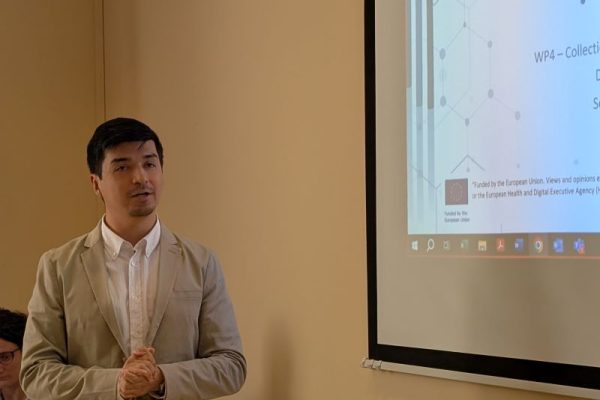
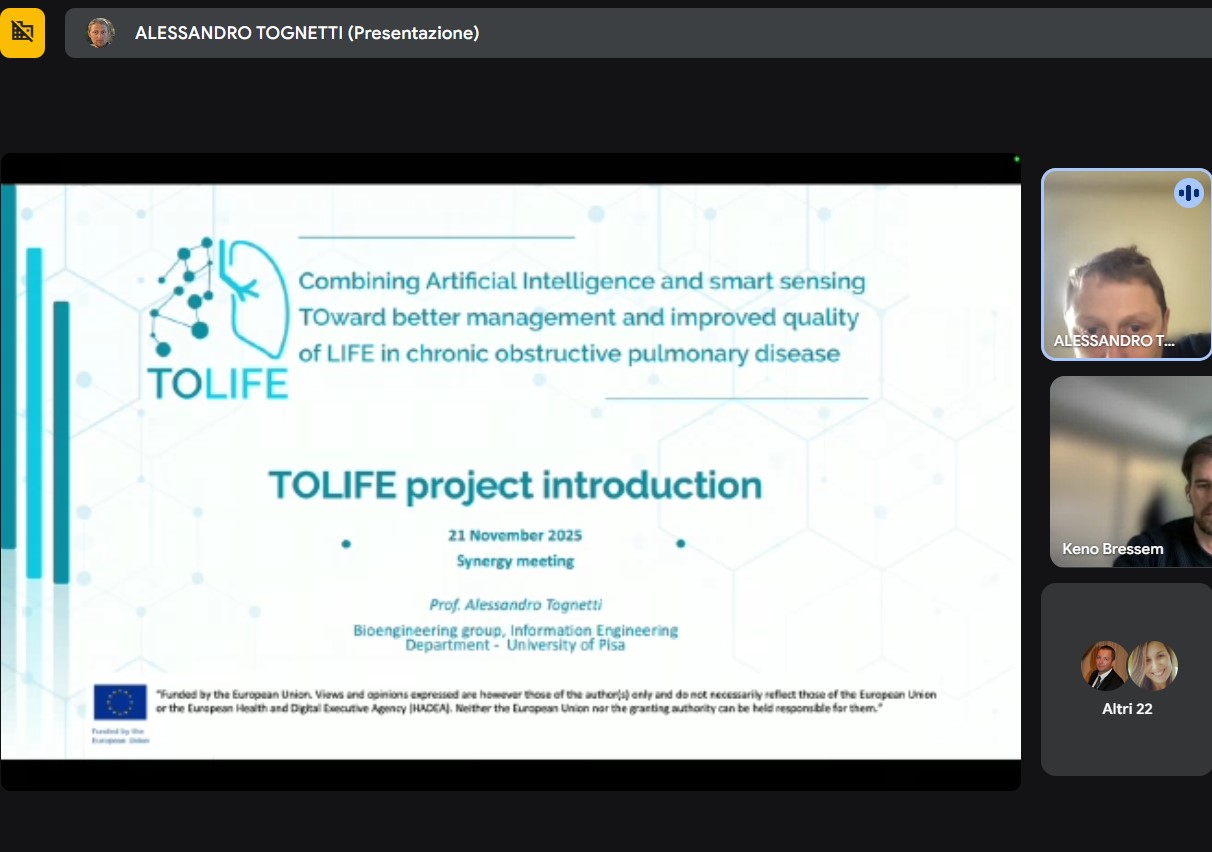
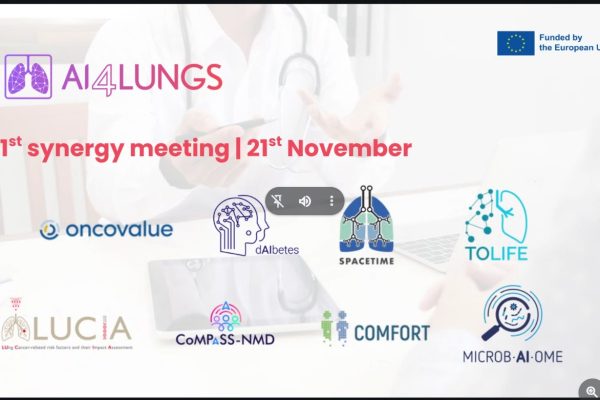
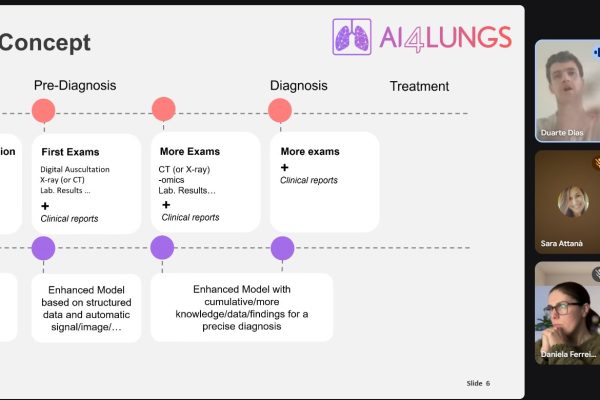
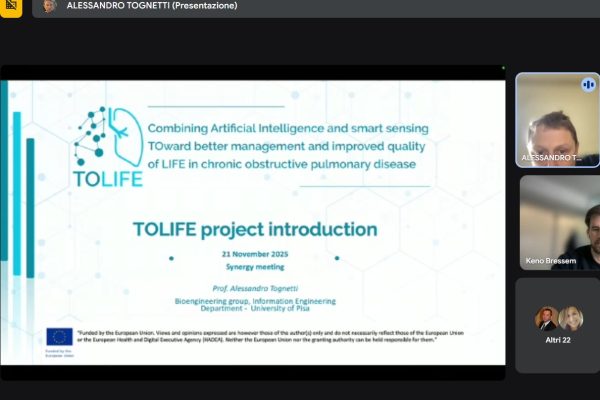
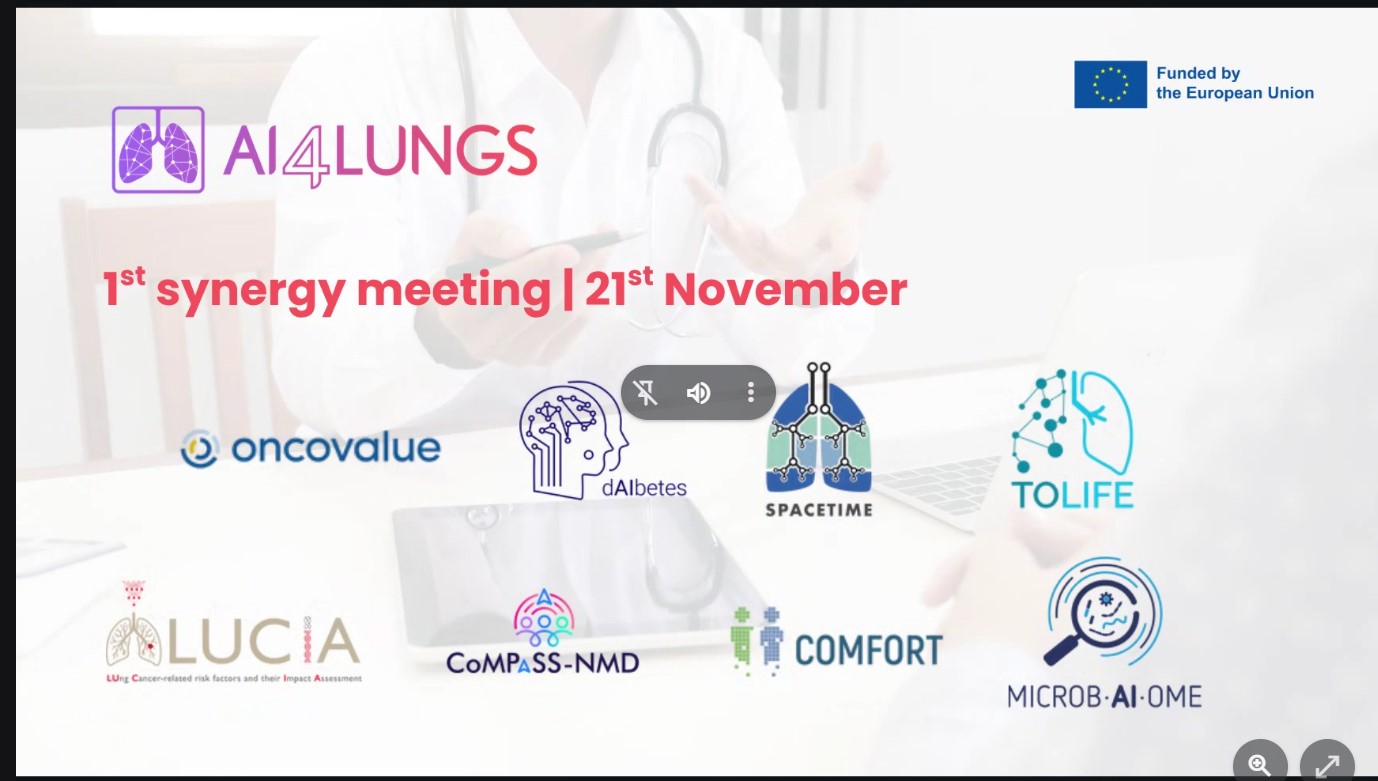
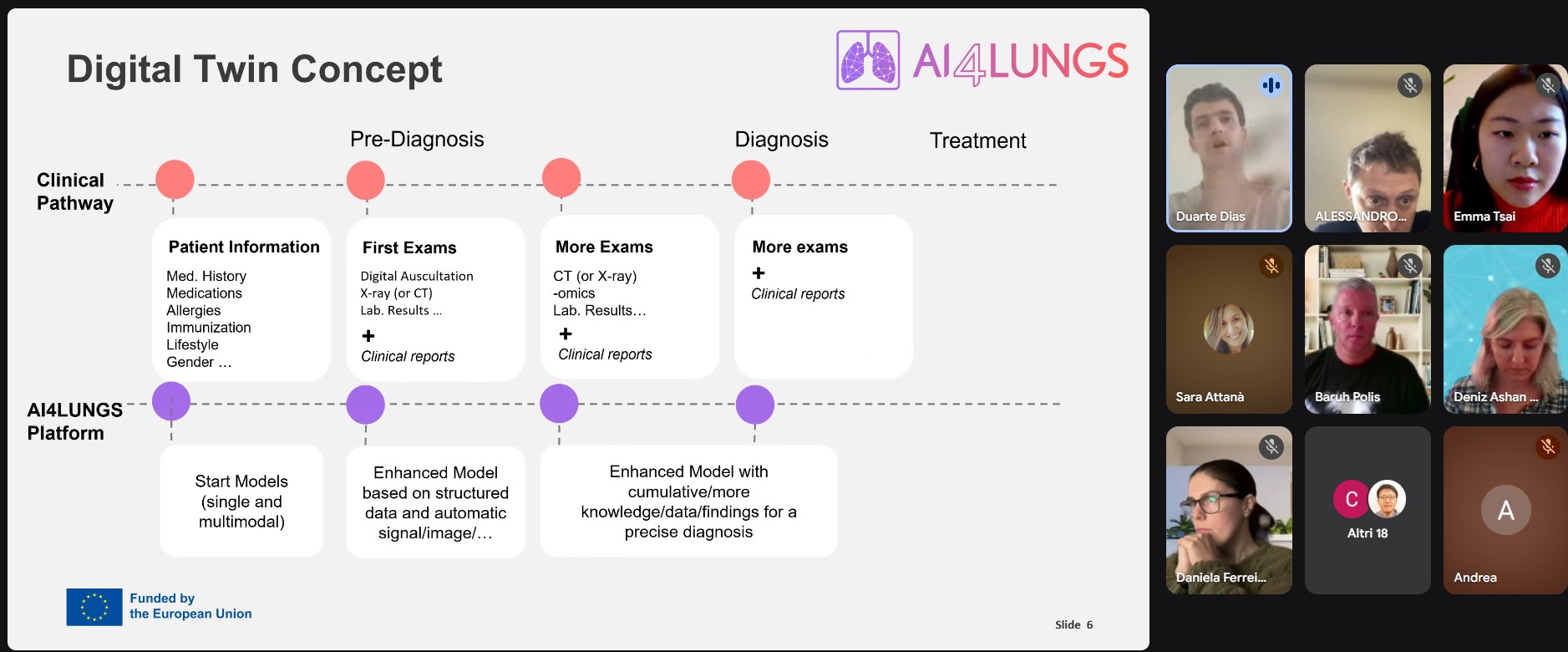
TOLIFE participated in the first SYNERGY meeting hosted by AI4LUNGS, bringing together several EU-funded projects working on the application of Artificial Intelligence in healthcare. Alongside ONCOVALUE, Microb-AI-ome, dAIbetes, CoMPaSS-NMD, SPACETIME, LUCIA and COMFORT-EU, the session represented an important opportunity to establish initial connections and explore potential areas of collaboration.

During the one-hour meeting, each project presented its mission, core objectives and current activities, allowing participants to gain a clearer understanding of the different approaches and solutions being developed within the European research landscape. For TOLIFE, this exchange offered a valuable moment to position its work on AI-driven monitoring and management of COPD within a broader ecosystem of digital health innovation.

The meeting laid the foundation for future cooperation, encouraging dialogue on shared challenges, complementary expertise and possible joint actions, from dissemination to scientific collaboration. Strengthening synergies among projects addressing similar themes is essential to enhance coherence, maximise impact and ultimately improve patient outcomes.

This first encounter marks an important starting point towards a more connected community of AI healthcare initiatives, with the common goal of translating research into tangible benefits for patients, clinicians and healthcare systems across Europe.

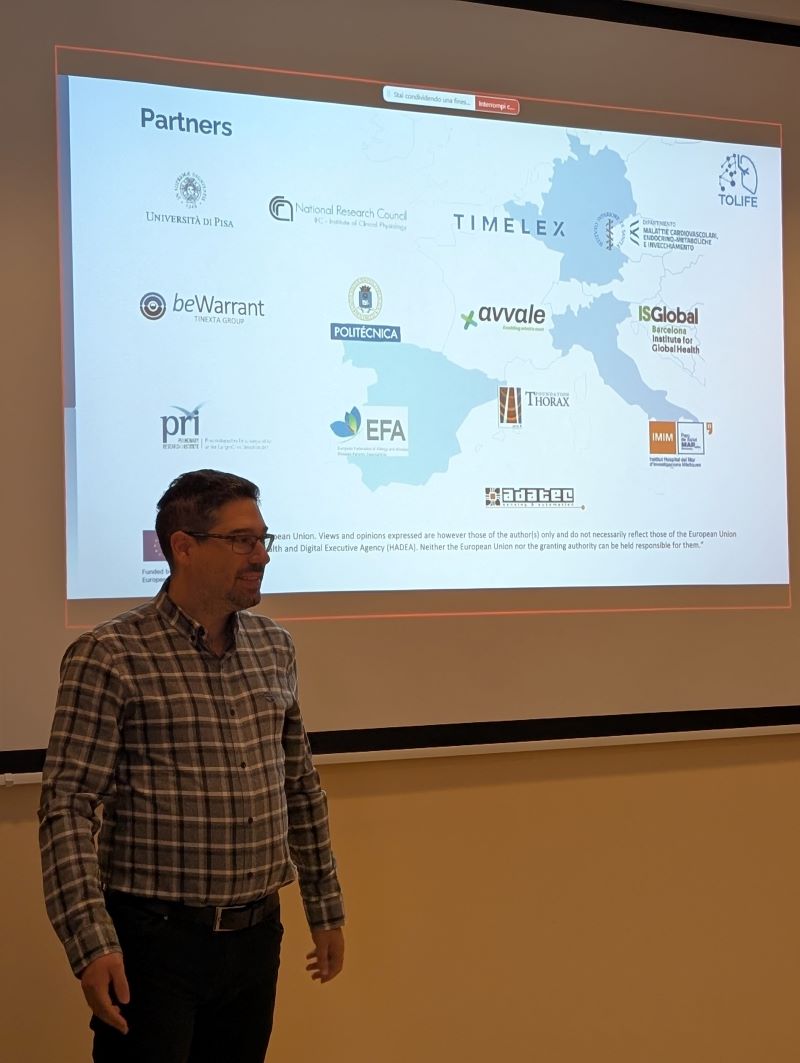
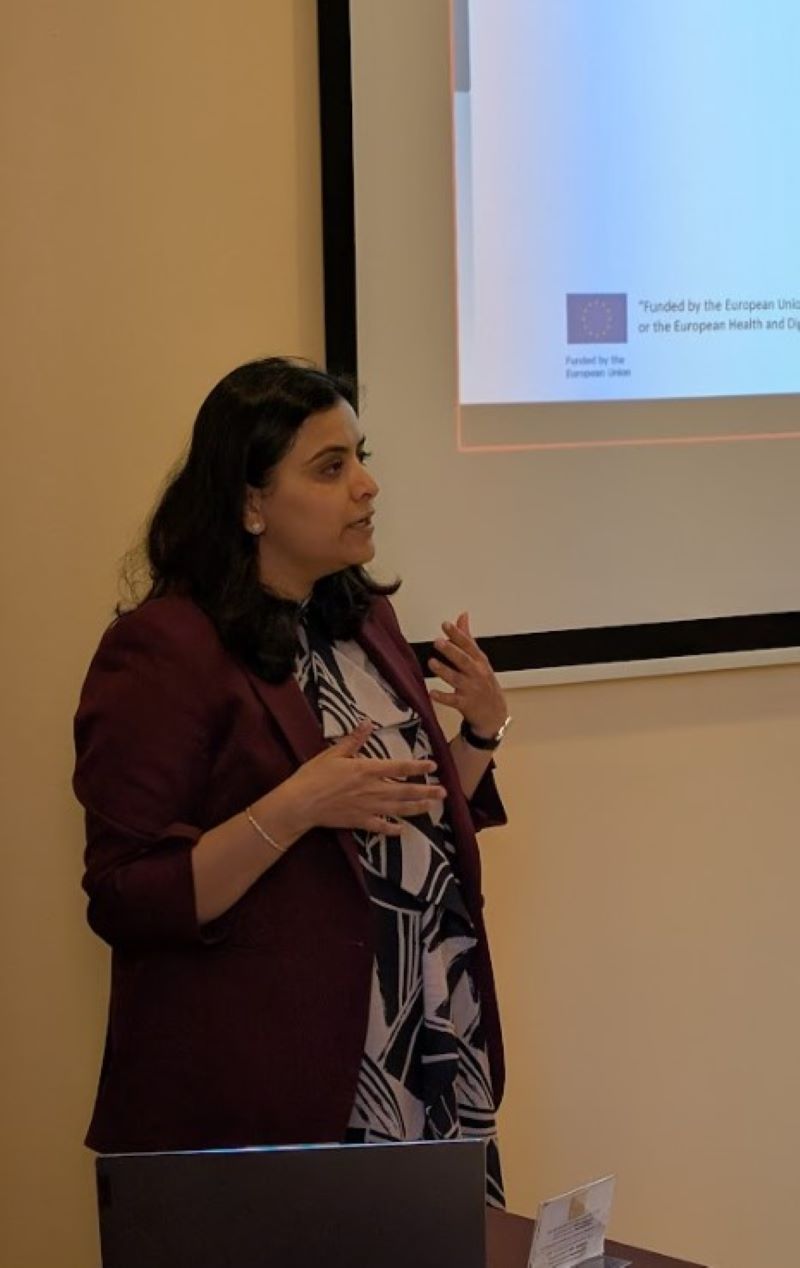
Francesco Bossi UNIPI Presents TOLIFE

TOLIFE Work Showcased at MetroXRAINE 2025
By Articles, News, Public Events No Comments

30 October 2025

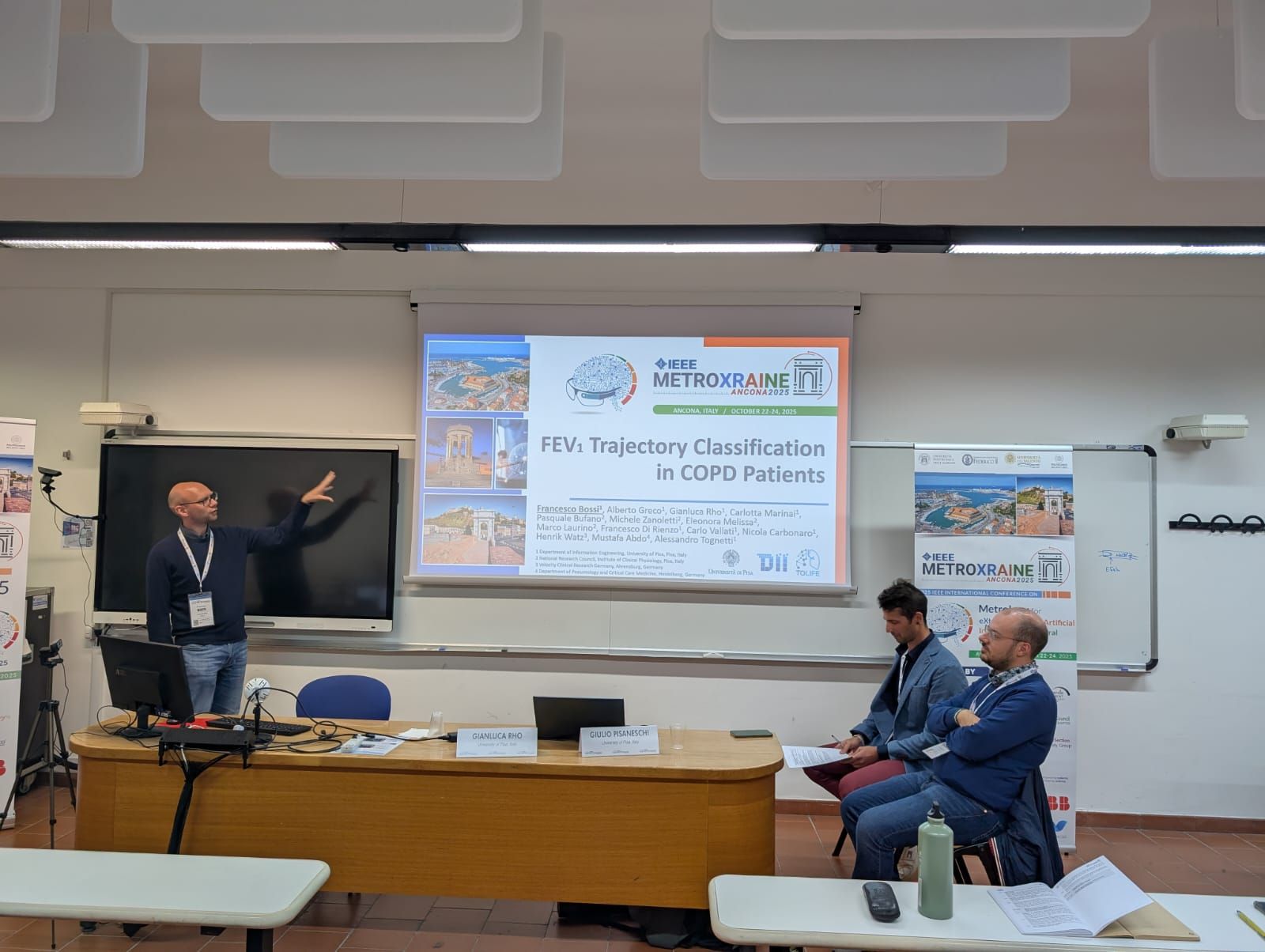
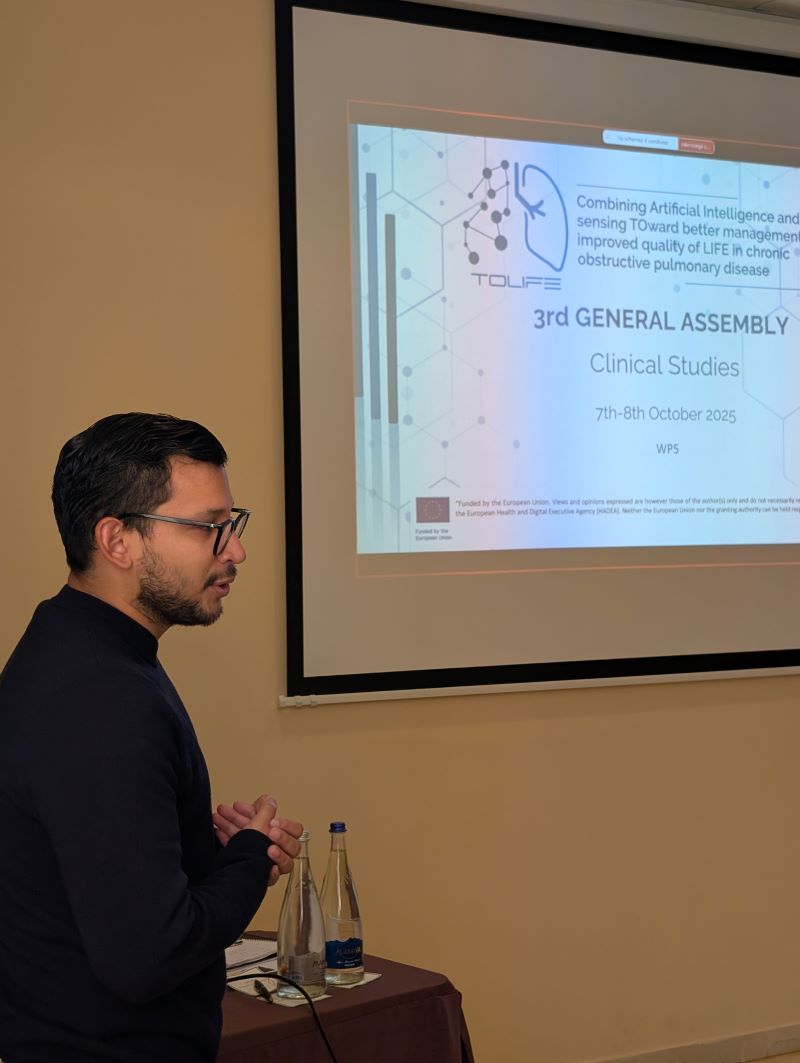
Francesco Bossi, researcher at the University of Pisa and contributor to the TOLIFE Project, recently presented his latest work at MetroXRAINE 2025 in Ancona, Italy. The presentation was part of the thematic session Emerging Technologies for Health Monitoring and Personalized Medicine.

His talk, titled “FEV1 Trajectory Classification in COPD Patients”, focused on how wearable sensor data and machine learning can support continuous monitoring of lung function decline in individuals with Chronic Obstructive Pulmonary Disease (COPD). As COPD remains one of the leading causes of morbidity worldwide, early detection of disease progression is crucial to improve clinical outcomes and patient quality of life.

The conference offered an important opportunity to engage with researchers working on advanced solutions for proactive, continuous, and patient-centred healthcare. The work showcased by Bossi highlights TOLIFE’s commitment to leveraging innovative data-driven approaches to support effective disease management.

TOLIFE 3rd GA in Bologna

By Articles, News No Comments

9 October 2025

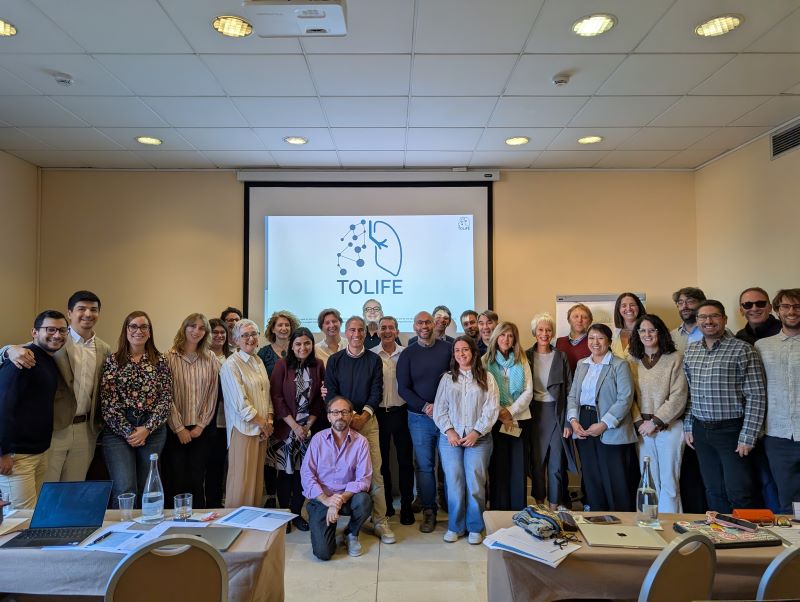
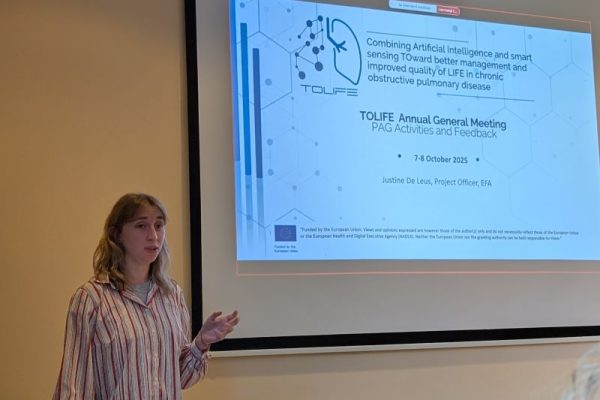
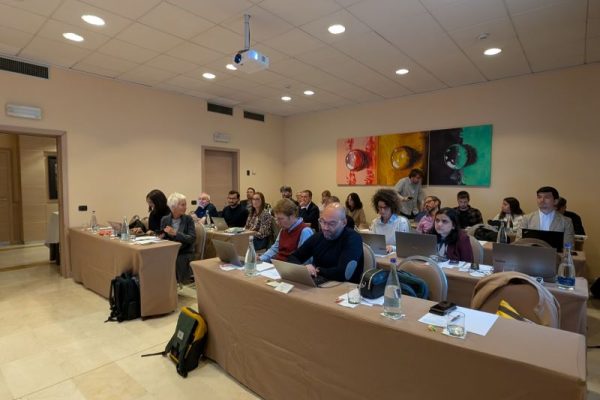
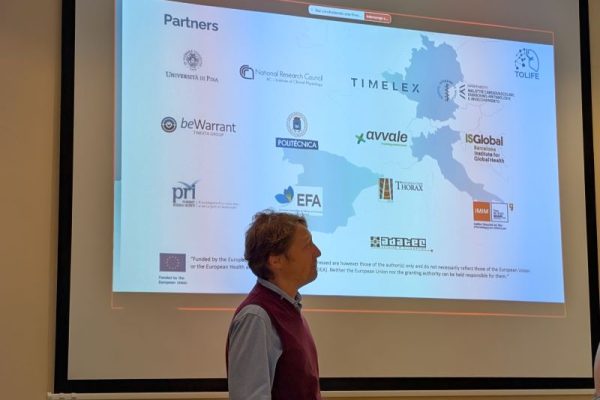
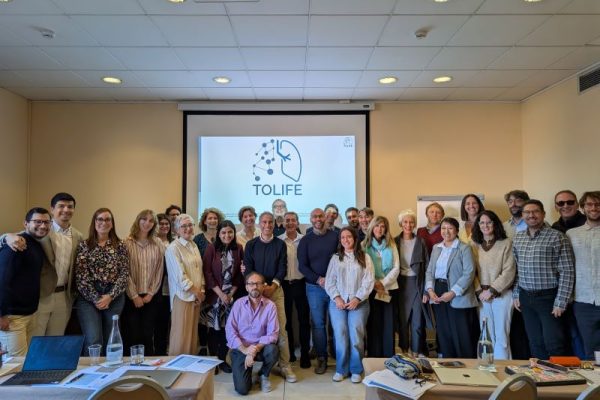
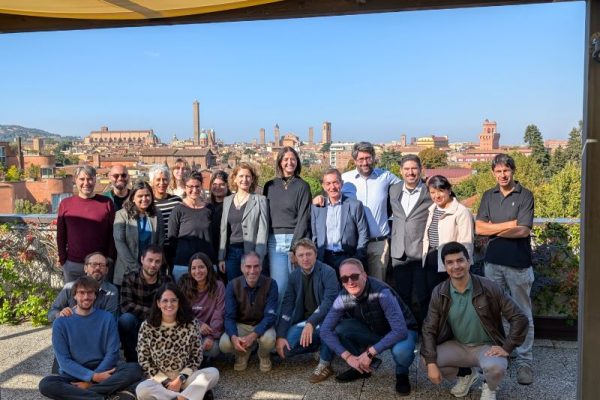
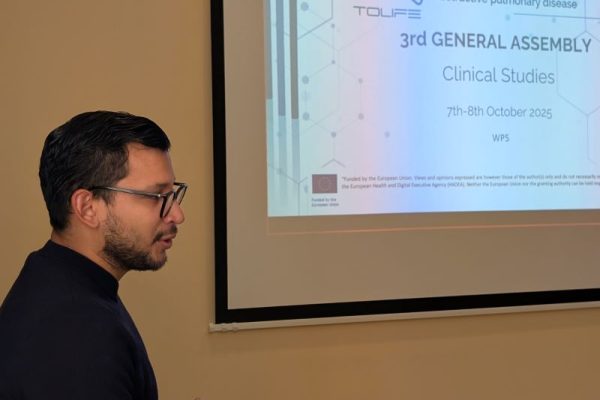
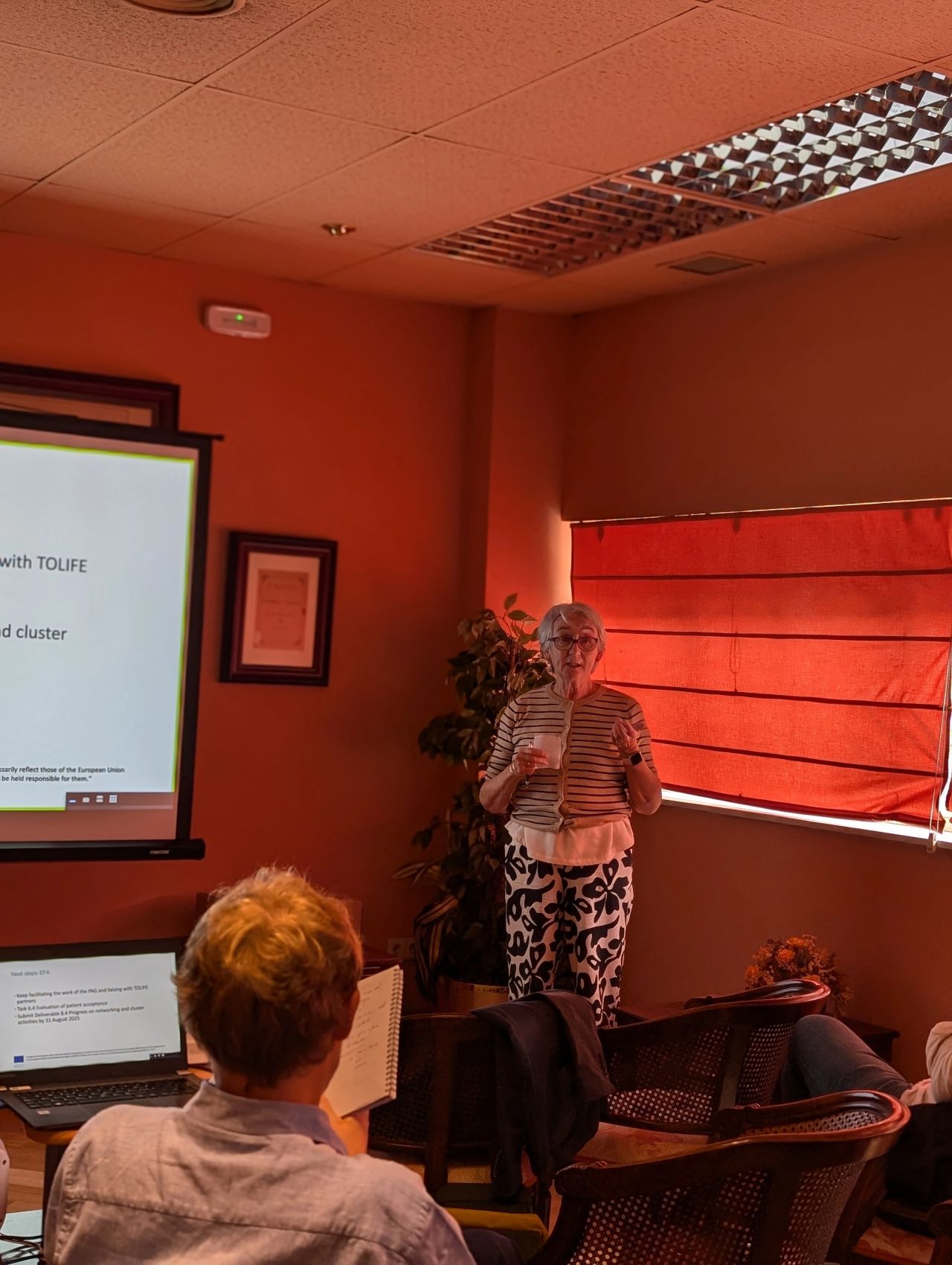
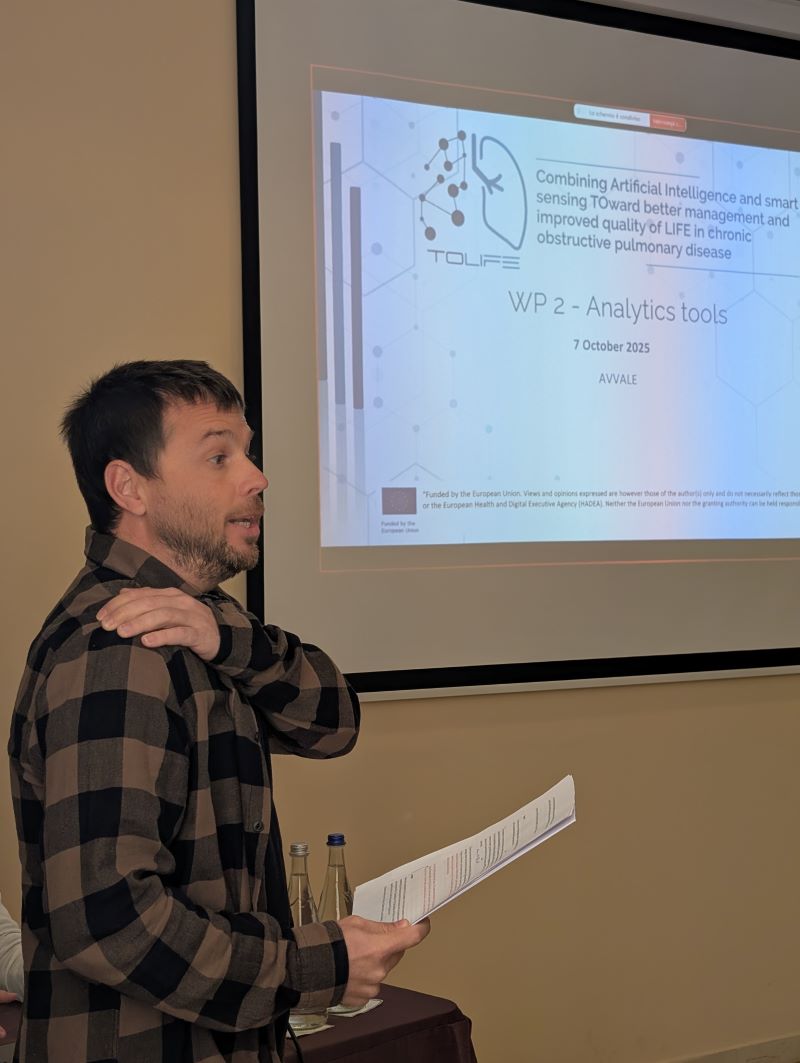
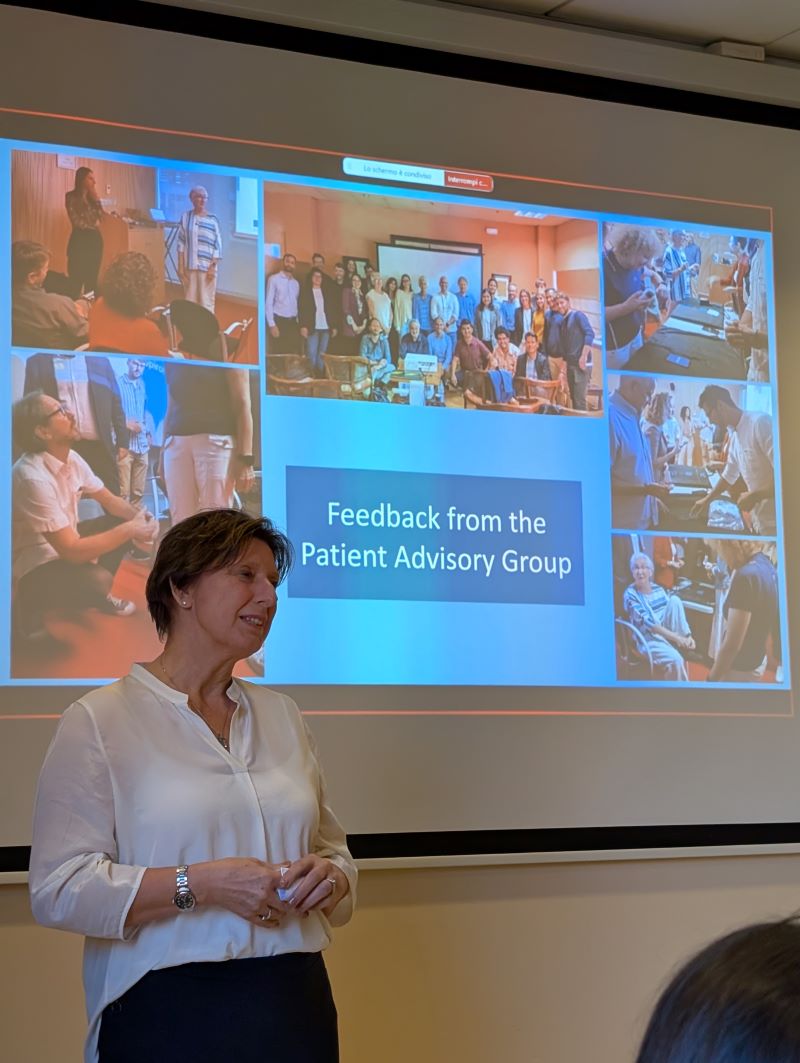
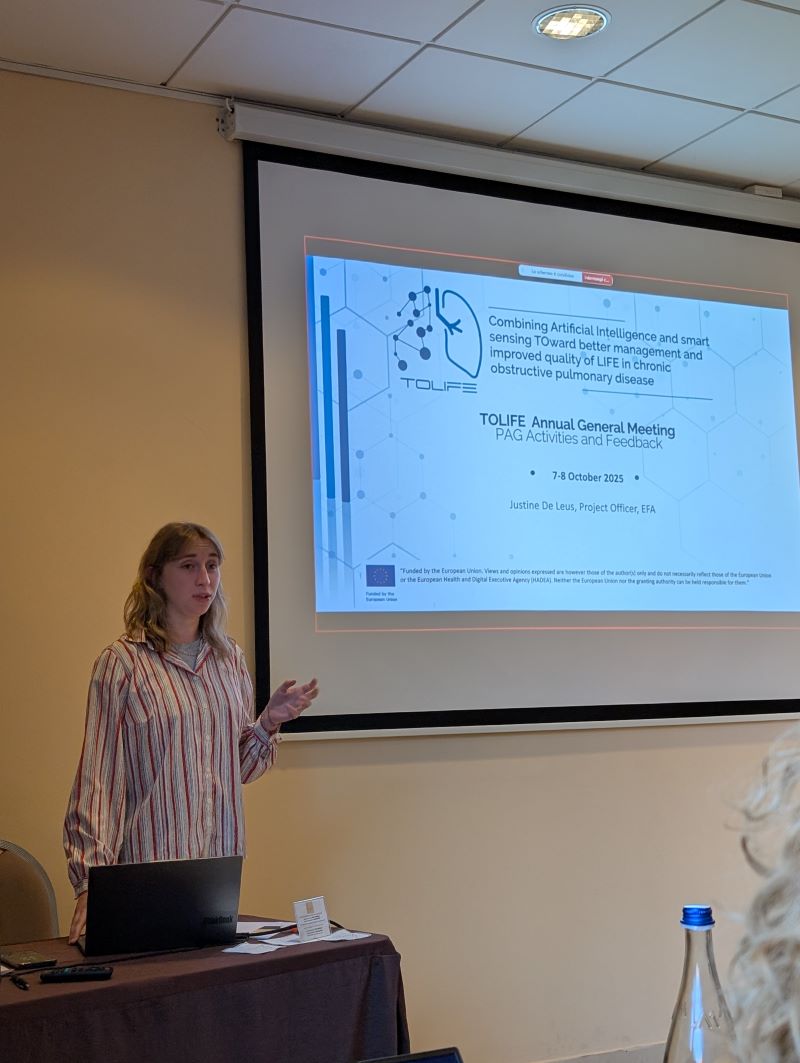
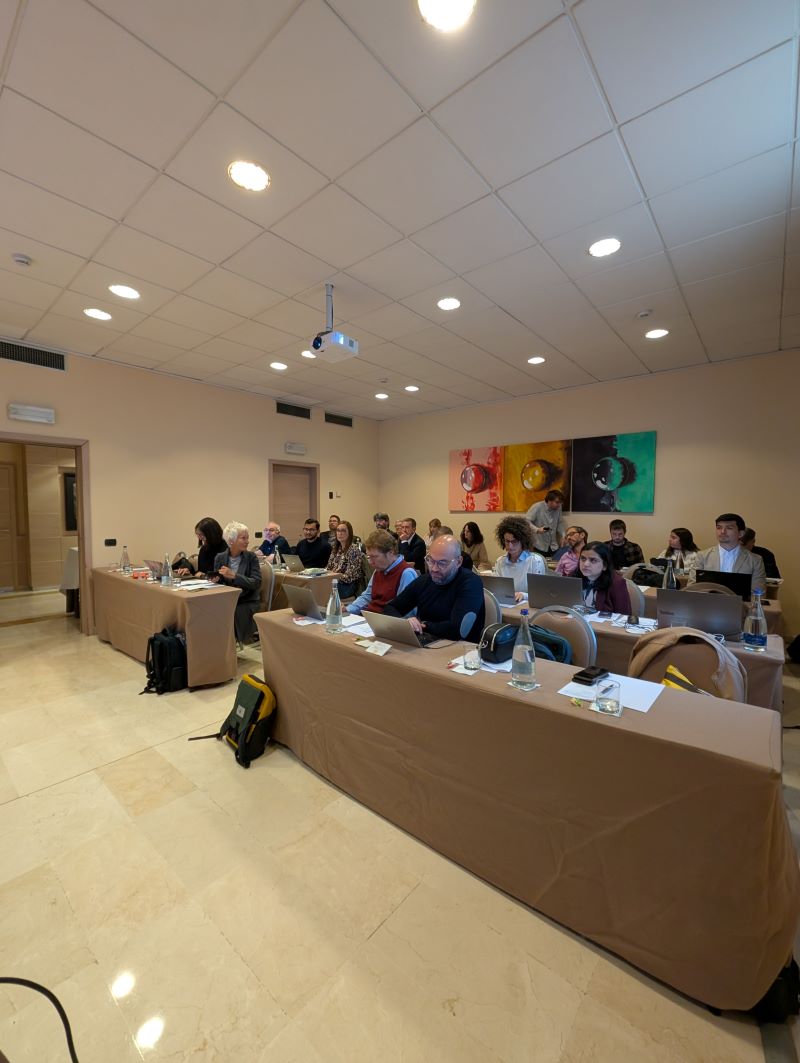
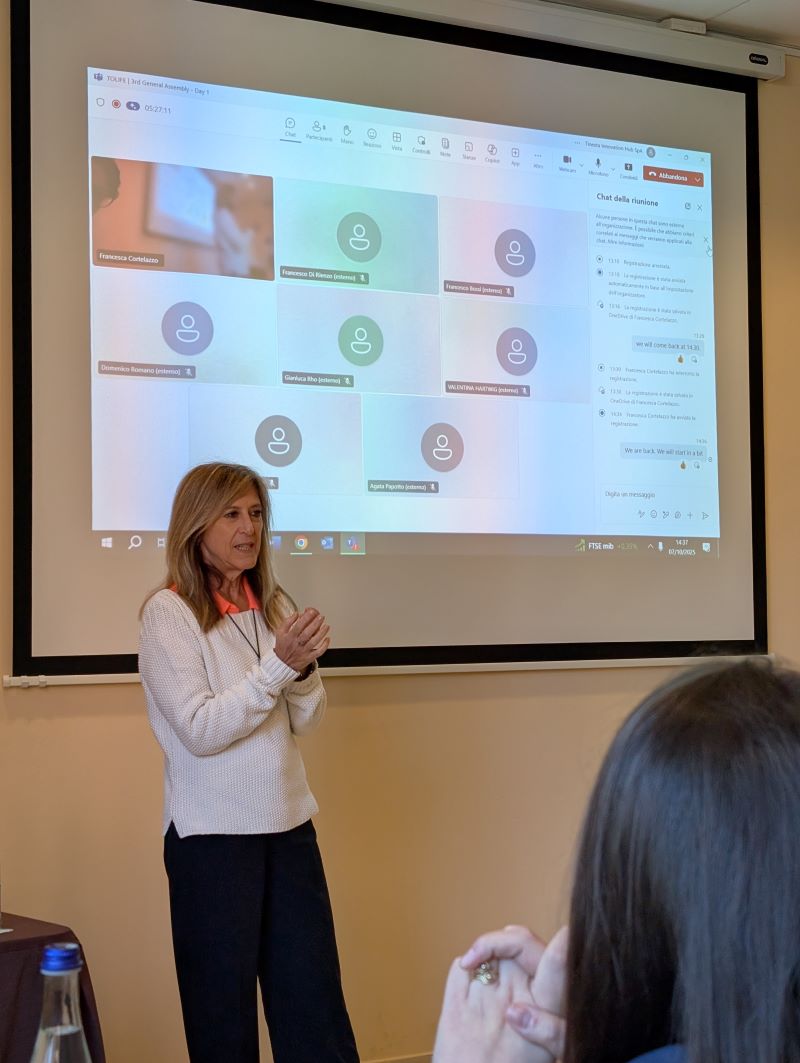
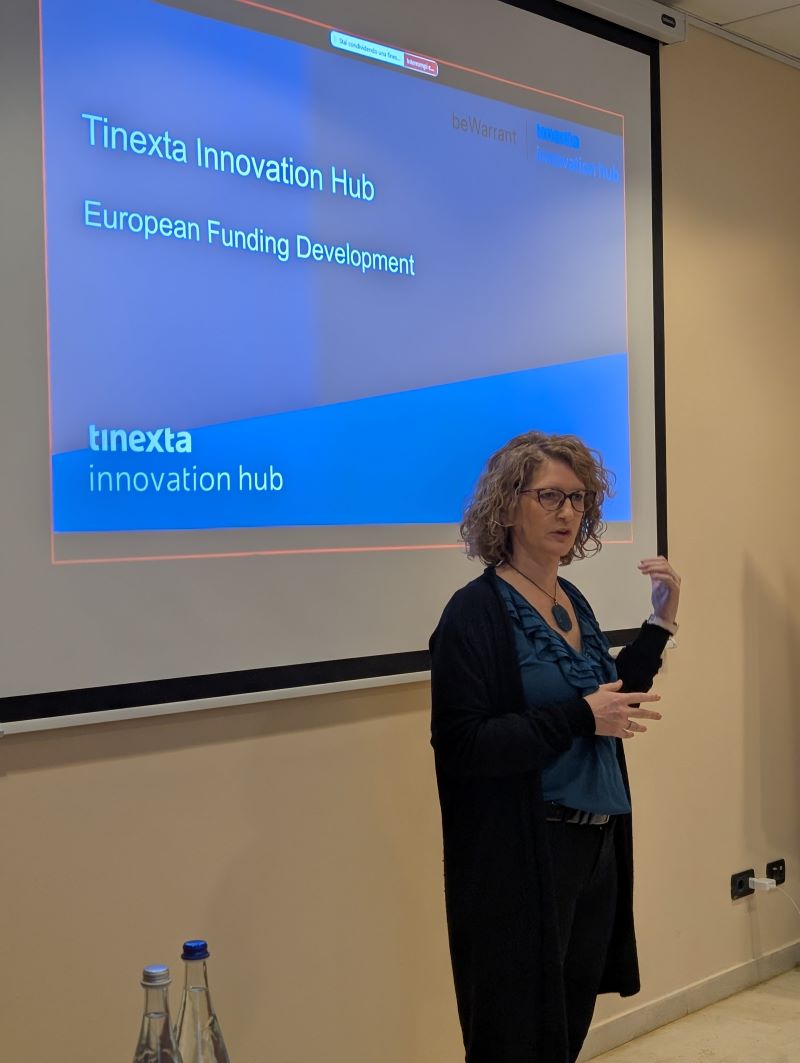
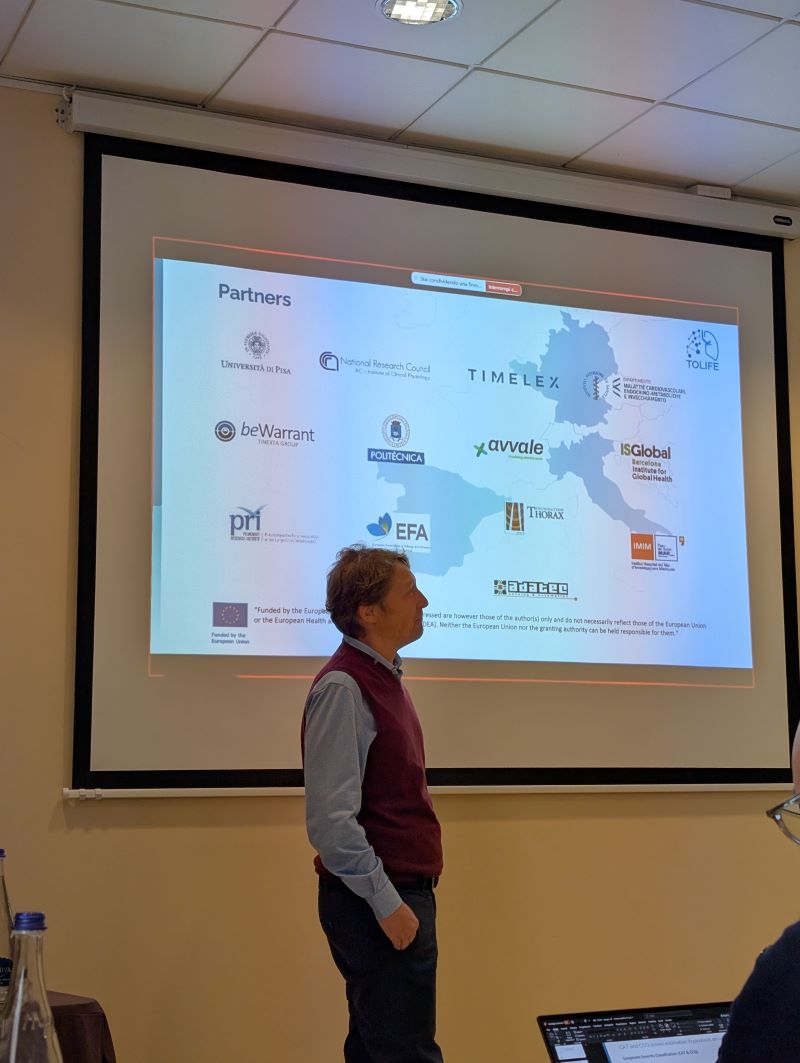
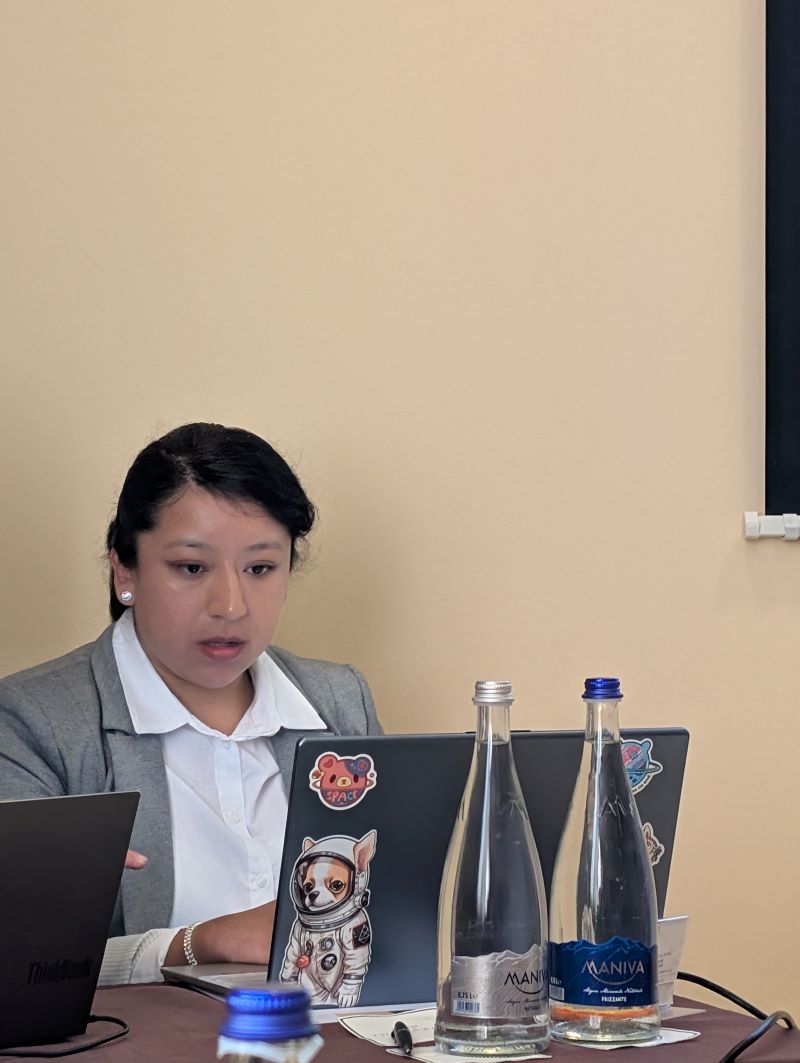
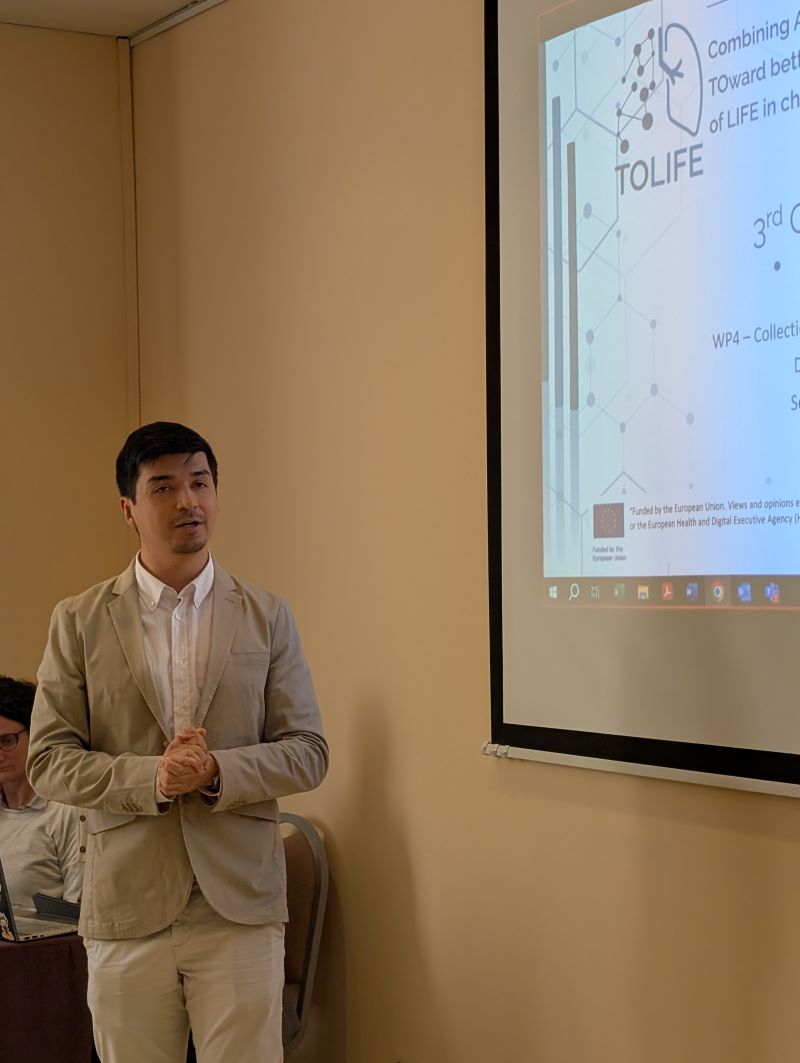
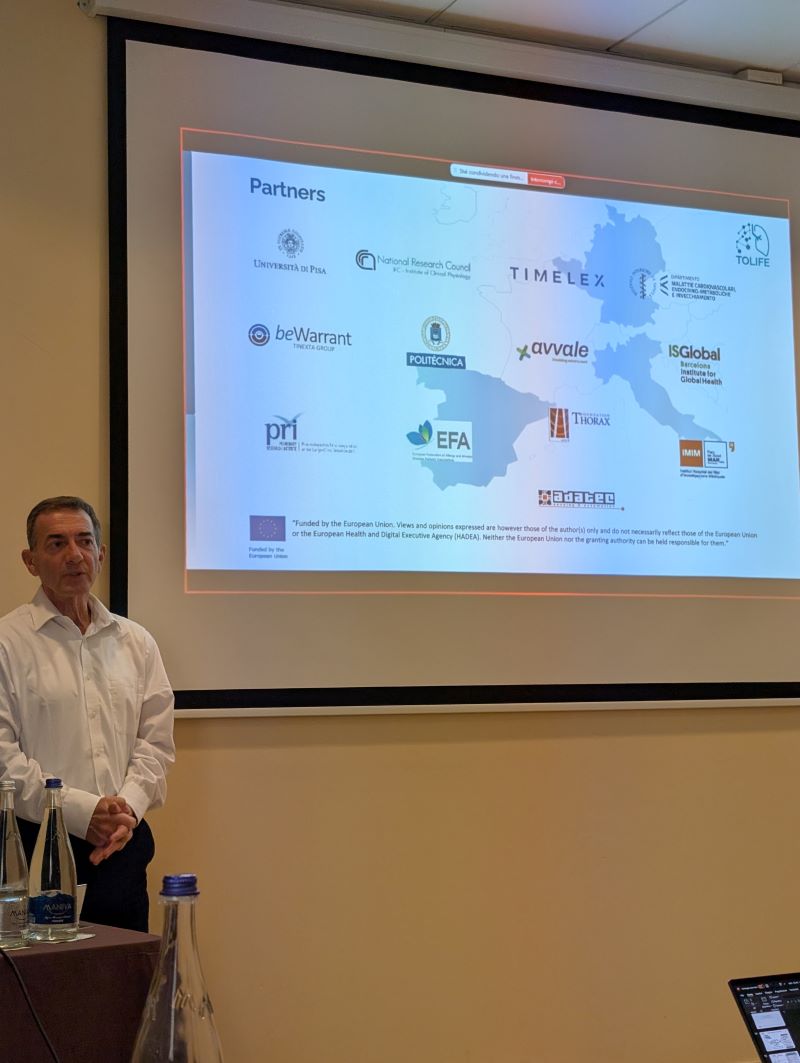
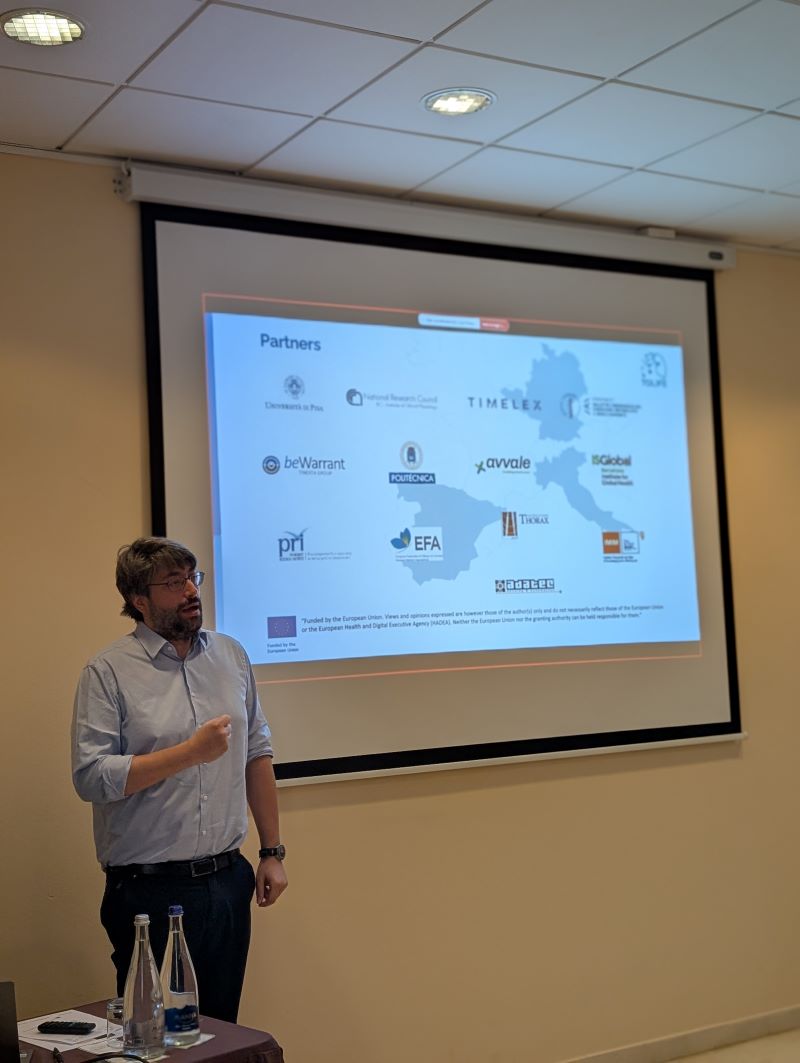
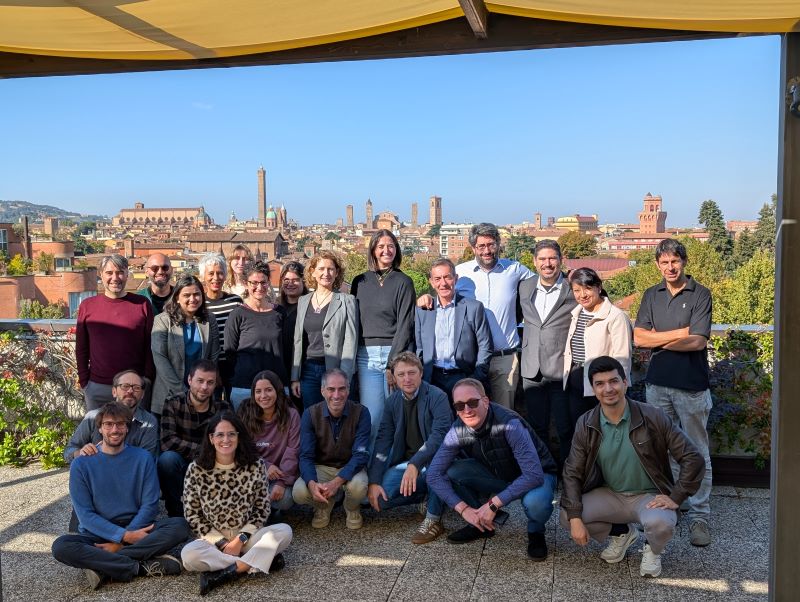
The TOLIFE consortium gathered in Bologna for the third in-person General Assembly since the project’s beginning. The meeting, hosted by Tinexta Innovation Hub | beWarrant, brought together all partners to review progress, discuss ongoing activities, and plan the next steps for the coming months.

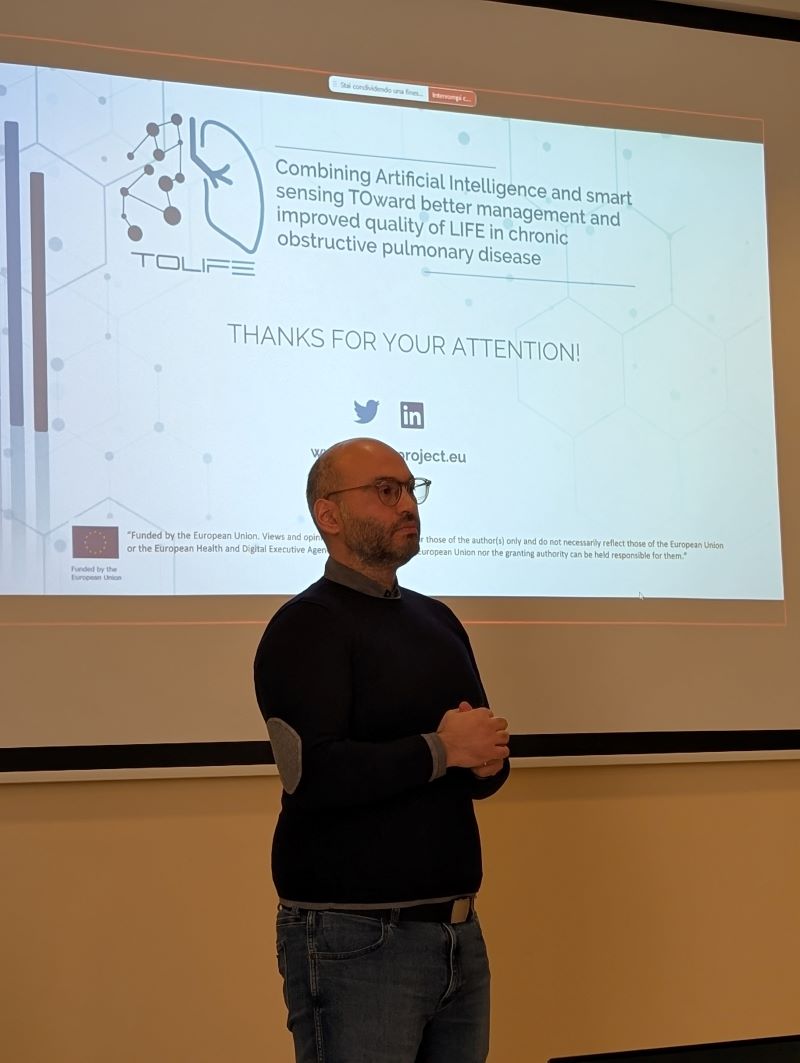
The session was opened by Alessandro Tognetti, project coordinator, who provided an overview of the work accomplished so far and outlined the roadmap ahead. He also welcomed the representatives of Thorax Foundation, the newest member of the consortium, who introduced themselves and their contribution to the project.

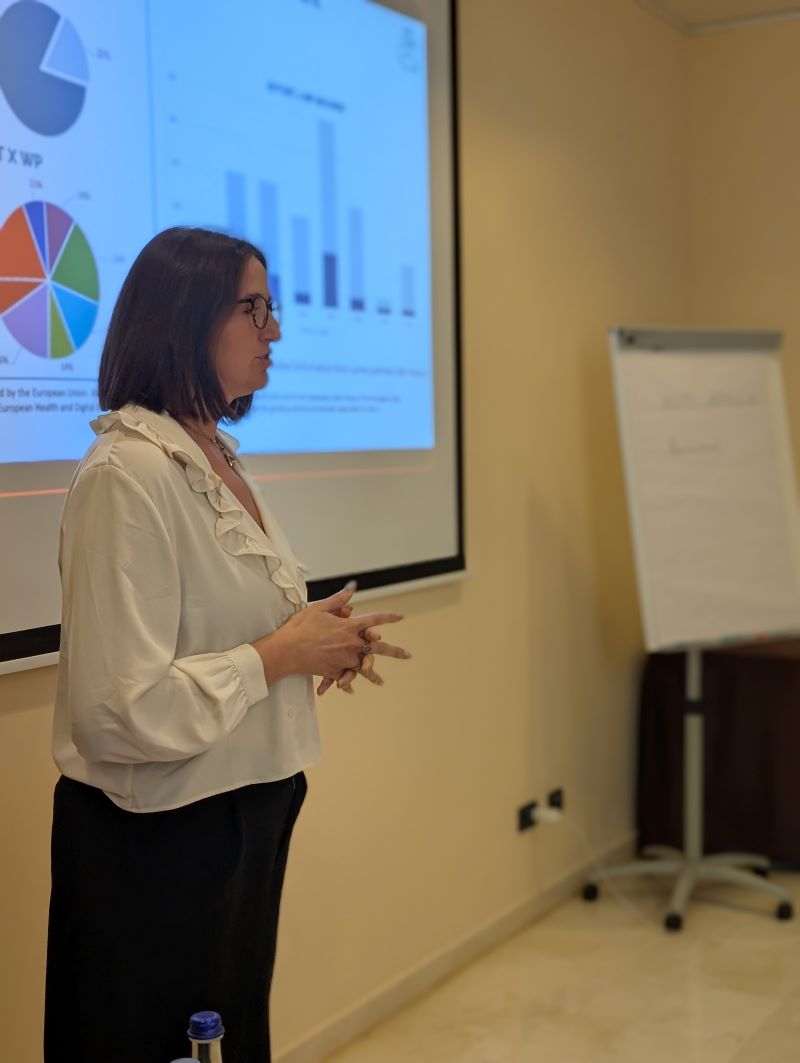
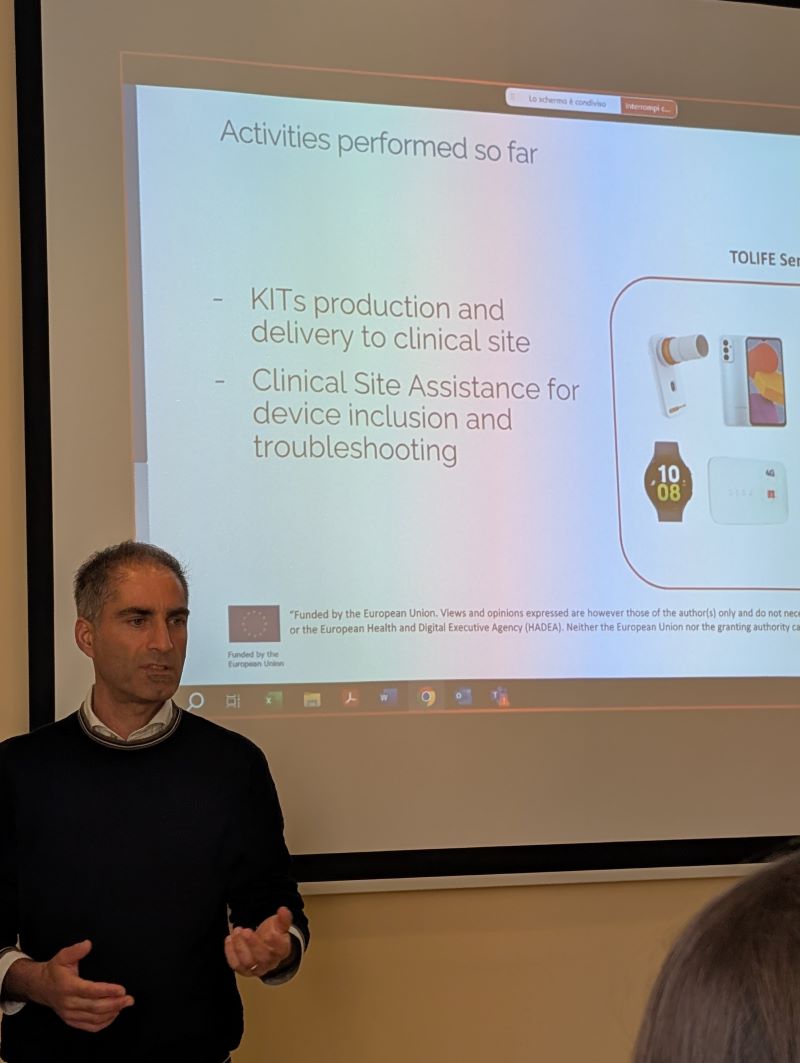
Throughout the meeting, partners presented updates from their respective work packages, covering a wide range of topics from the clinical aspects to the development of smart sensors and the user interface. The discussions highlighted the collaborative spirit of the consortium and the shared commitment to advancing innovative digital solutions for respiratory health.

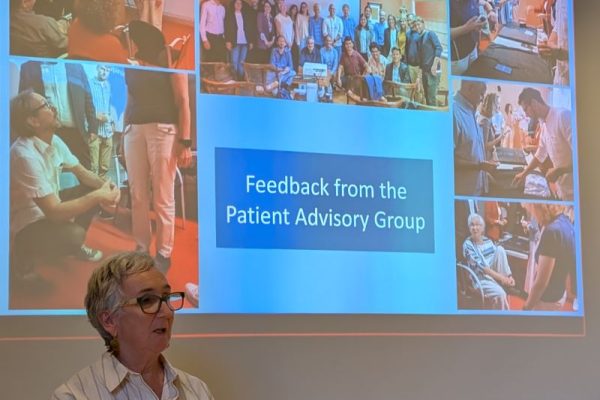
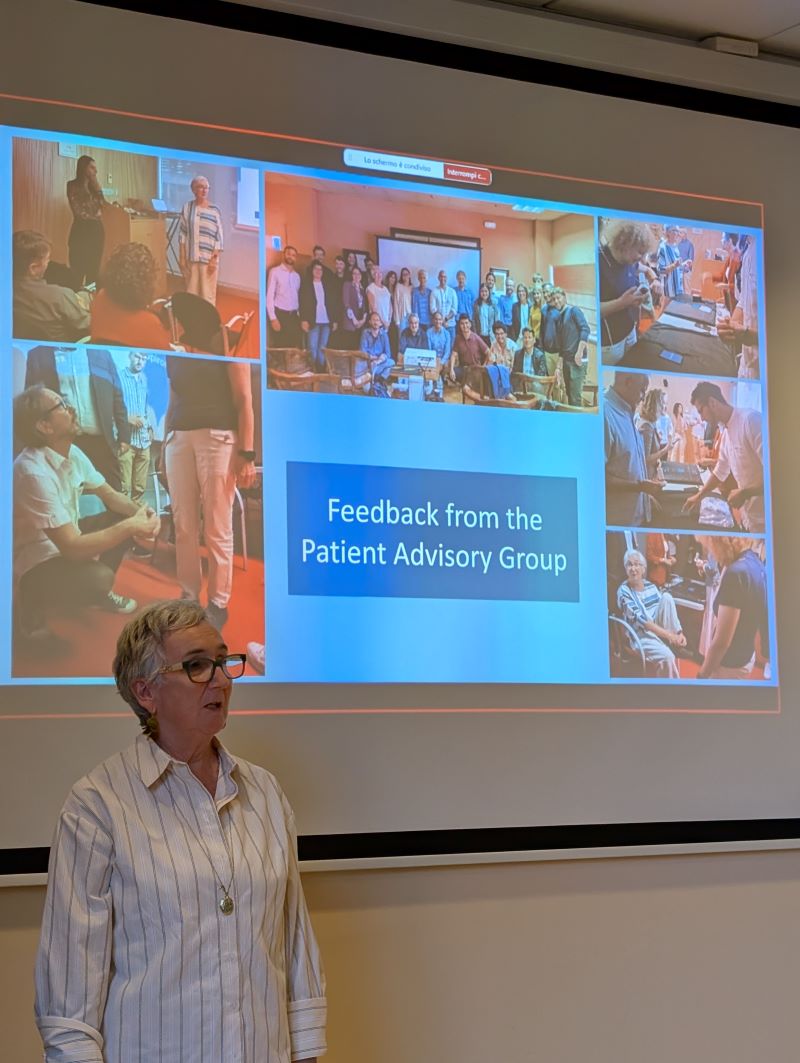
Both patients and members of the Advisory Board expressed their satisfaction with the project’s progress, emphasizing their appreciation for being actively involved in the work and for the continuous and meaningful engagement ensured by the consortium.

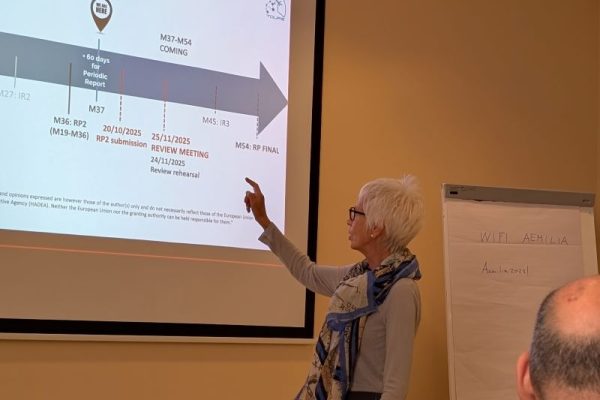
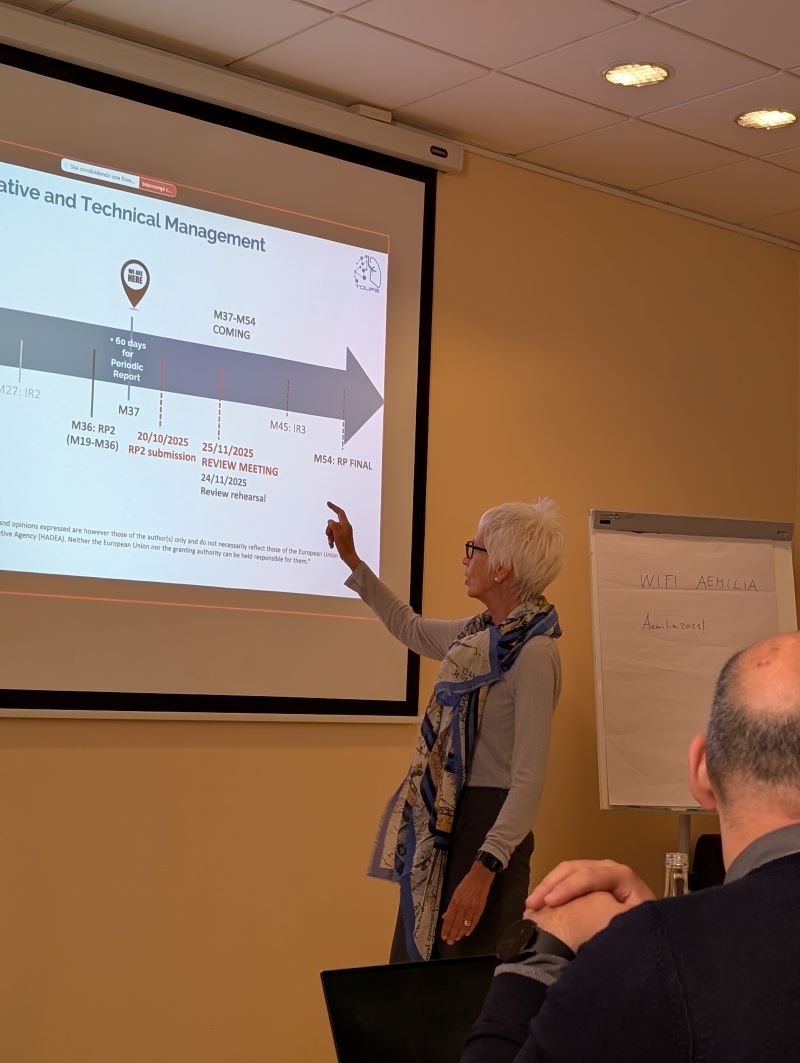
The General Assembly also served as an important step in preparation for the upcoming Review Meeting, which will take place in the following weeks.

Second Press Release Published

By Articles, News No Comments

29 November 2024

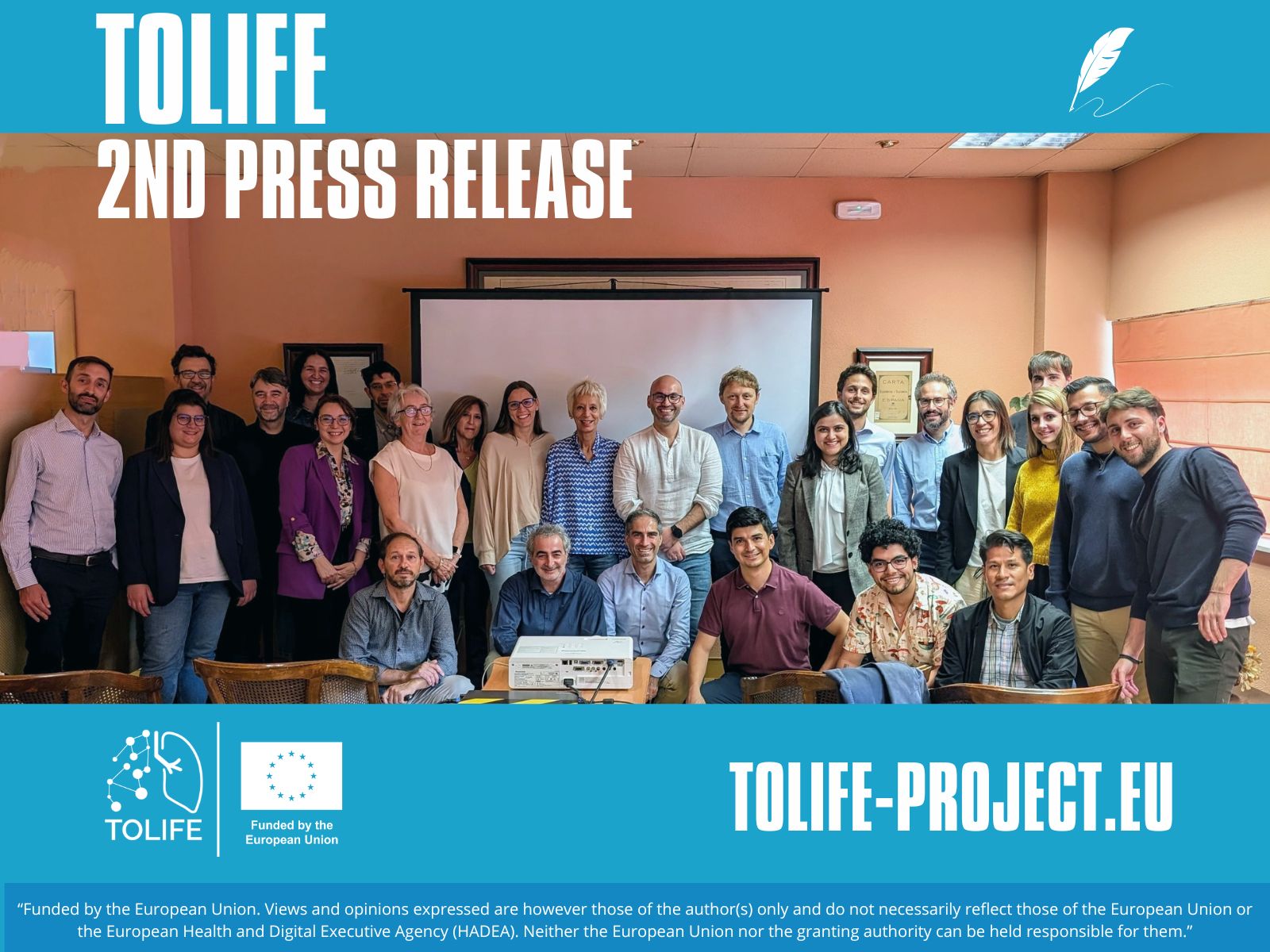
The TOLIFE project, now two years in, has published its second press release, highlighting the successful development of non-invasive devices and the commencement of Clinical Study A. This pivotal phase marks a significant step toward revolutionizing COPD care through AI-driven, personalized solutions.

Read the full press release to discover how these innovations are shaping the future of chronic disease management.

TOLIFE at BRIGHT-NIGHT: Showcasing Innovation in Research

By News, Public Events No Comments

01 October 2024

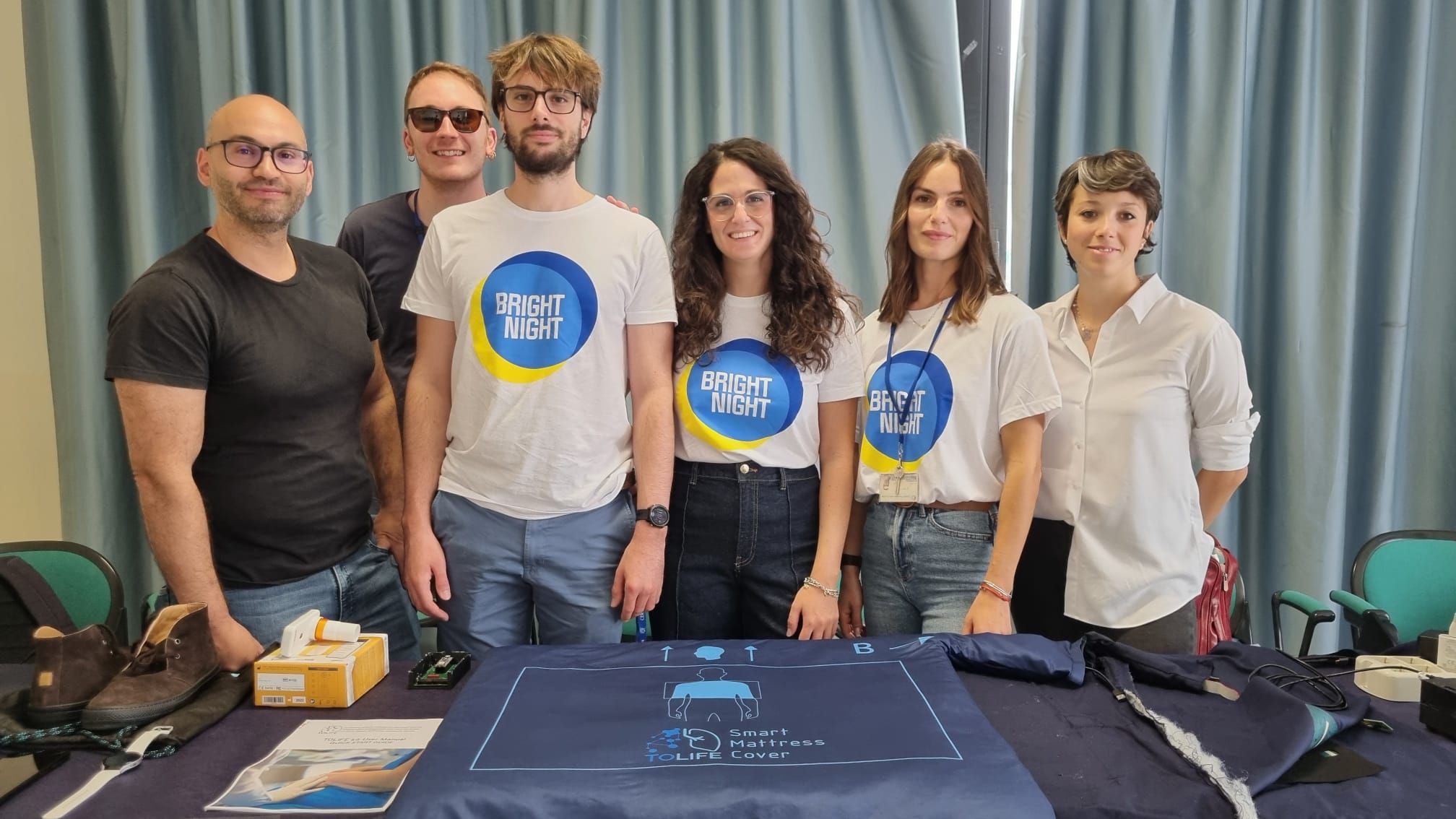
On September 27, 2024, TOLIFE proudly participated in the European Researchers’ Night, known as BRIGHT-NIGHT, a prestigious event organized across Europe. This initiative, created by the European Commission, aims to promote scientific culture and showcase the societal impact of research.

BRIGHT-NIGHT stands for Brilliant Researchers Impact on Growth Health and Trust in research, highlighting the crucial role that talented researchers play in advancing science and fostering public trust. It serves as an opportunity for people of all ages to connect with the world of science and meet the dedicated individuals who have made research their daily mission.

In Padua, the CNR (National Research Council) participated, presenting cutting-edge developments in science and innovation, including the devices from the TOLIFE project. These devices were showcased to the public, offering an up-close look at the groundbreaking technology designed to improve health and well-being.

TOLIFE’s involvement in this significant event underlines the project’s commitment to impactful research and its dedication to enhancing quality of life through innovative scientific solutions. BRIGHT-NIGHT was not only an inspiring celebration of research but also a step forward in bringing science closer to communities and sparking curiosity about the world of discovery.

TOLIFE Group picture in Madrid

TOLIFE Project General Assembly in Madrid

By News, Technical meeting No Comments

28 September 2024

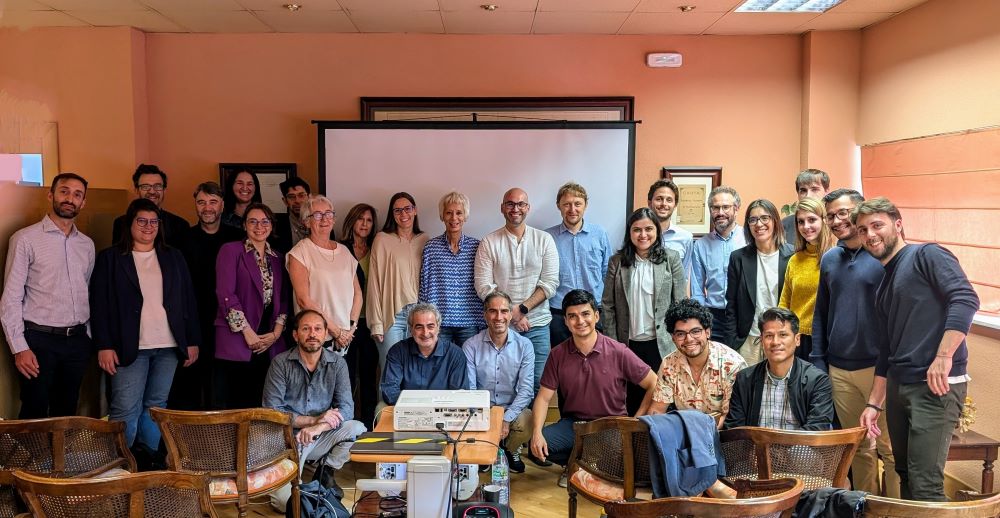
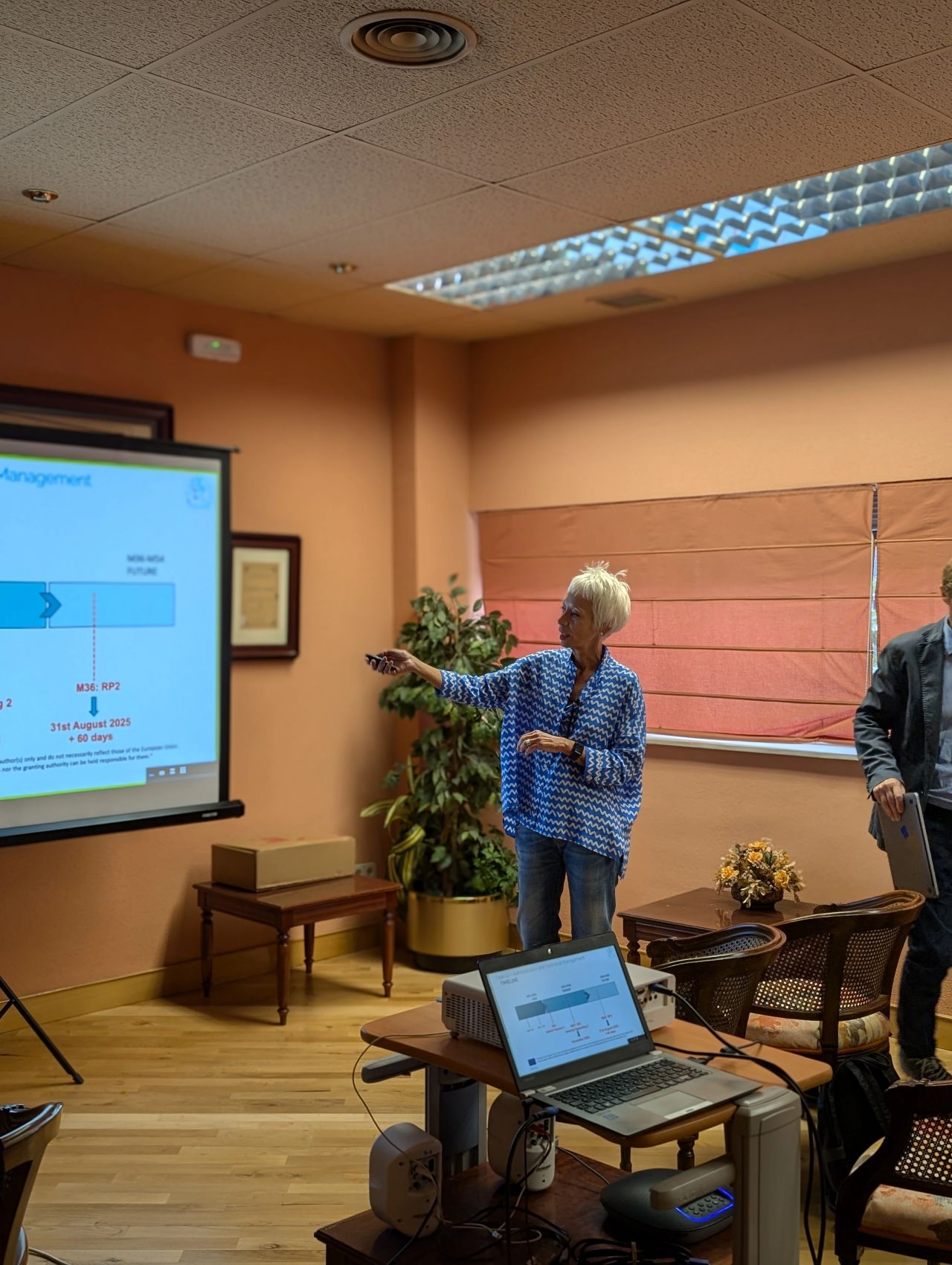
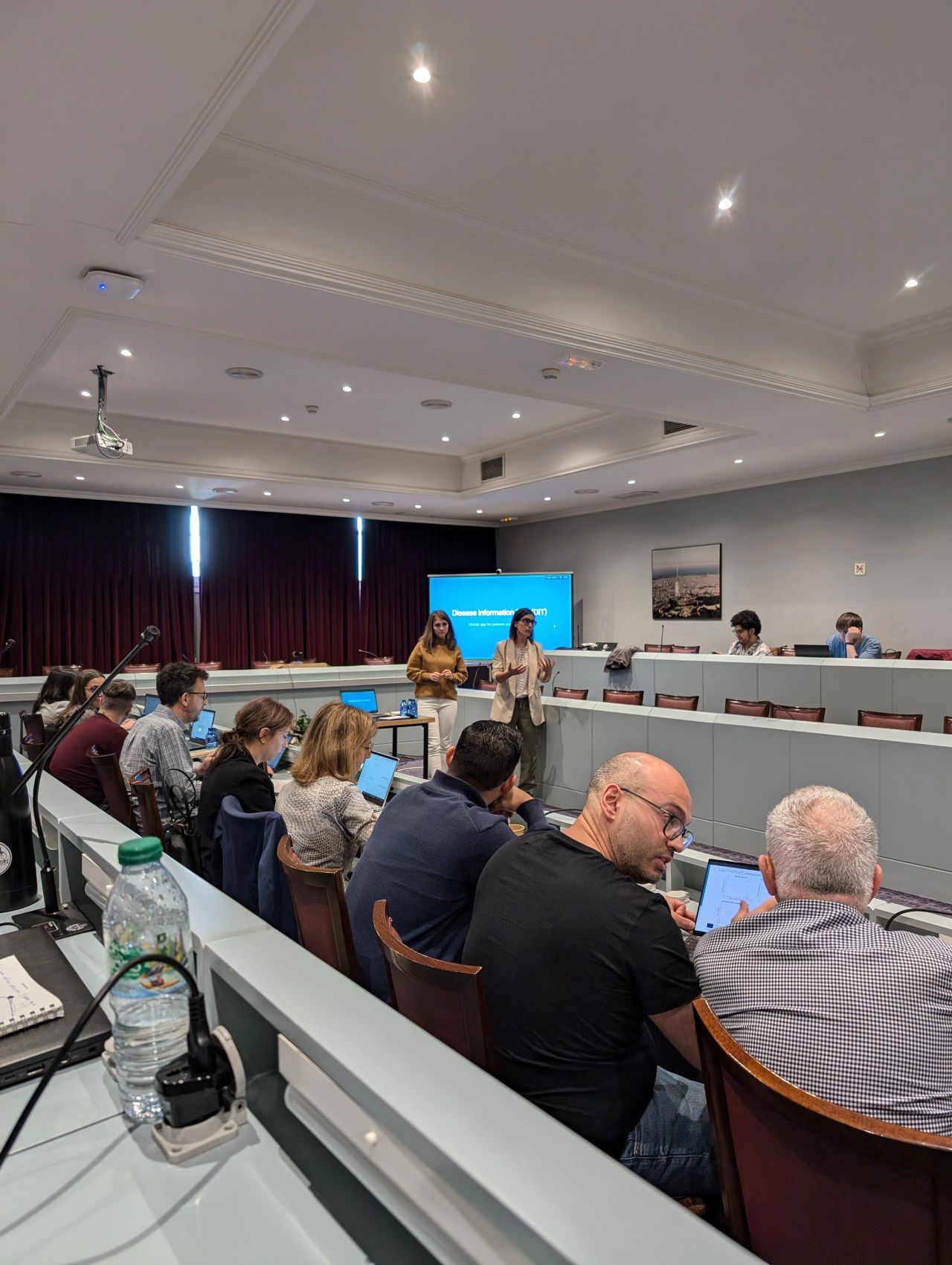
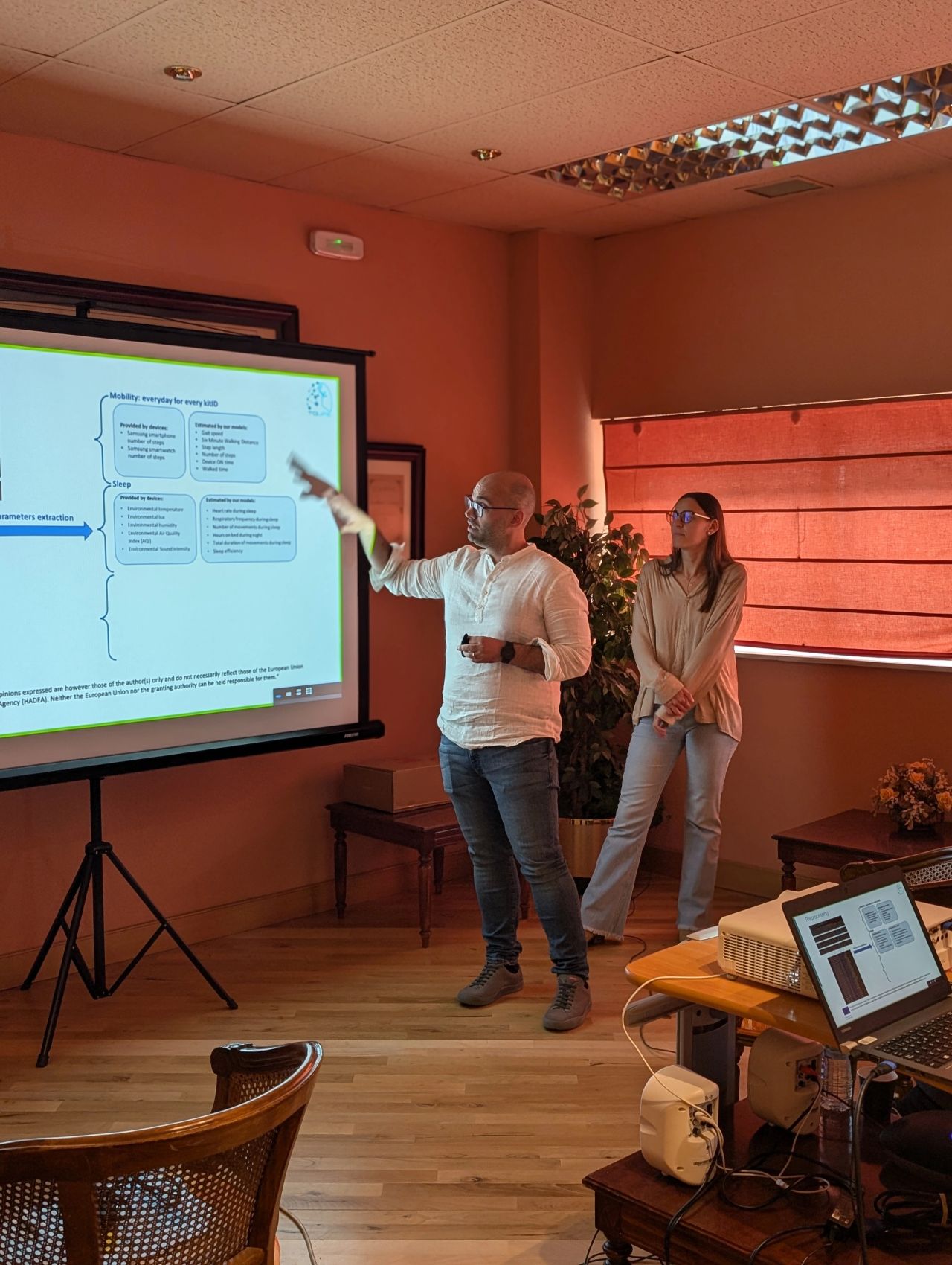
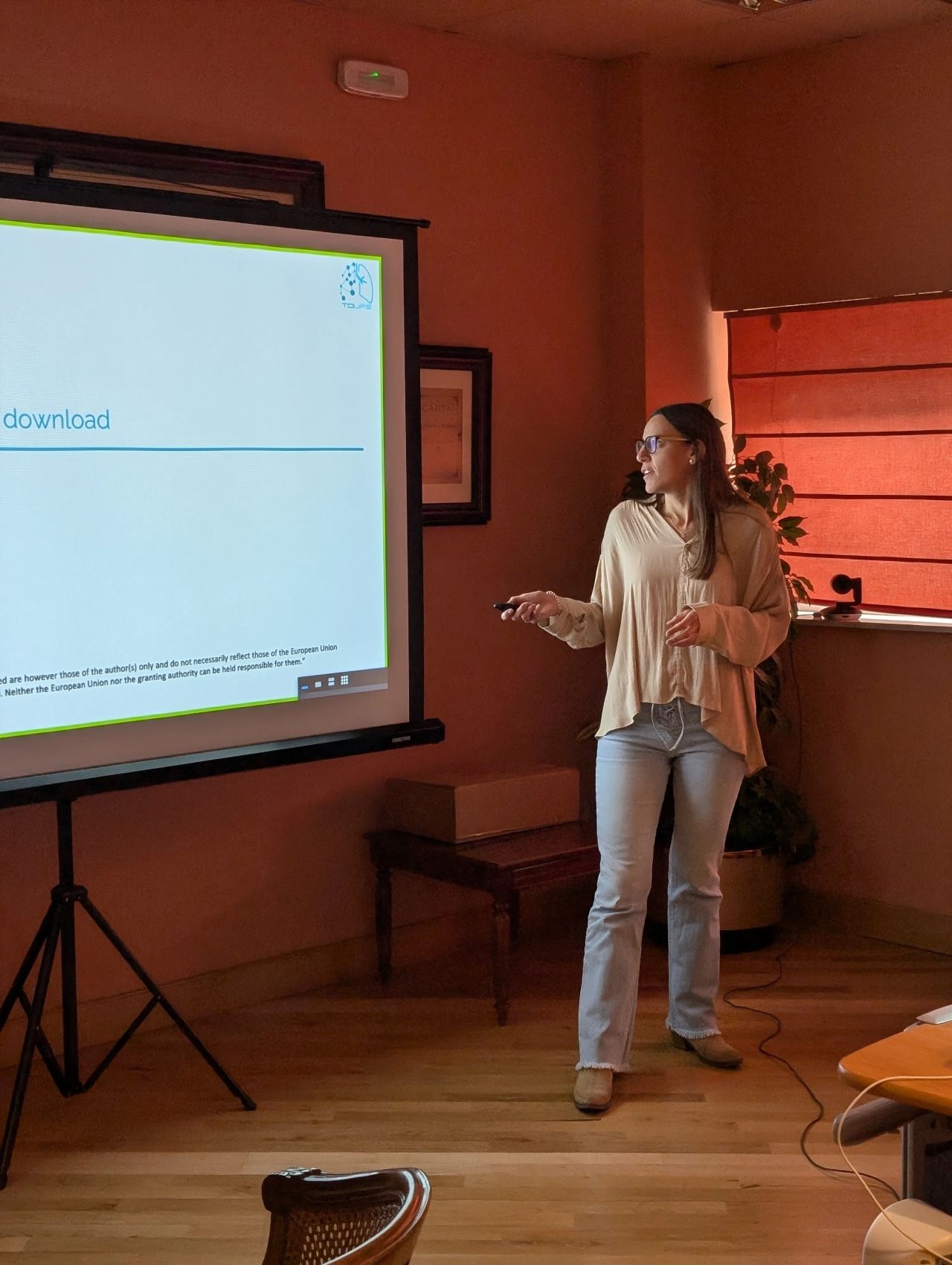
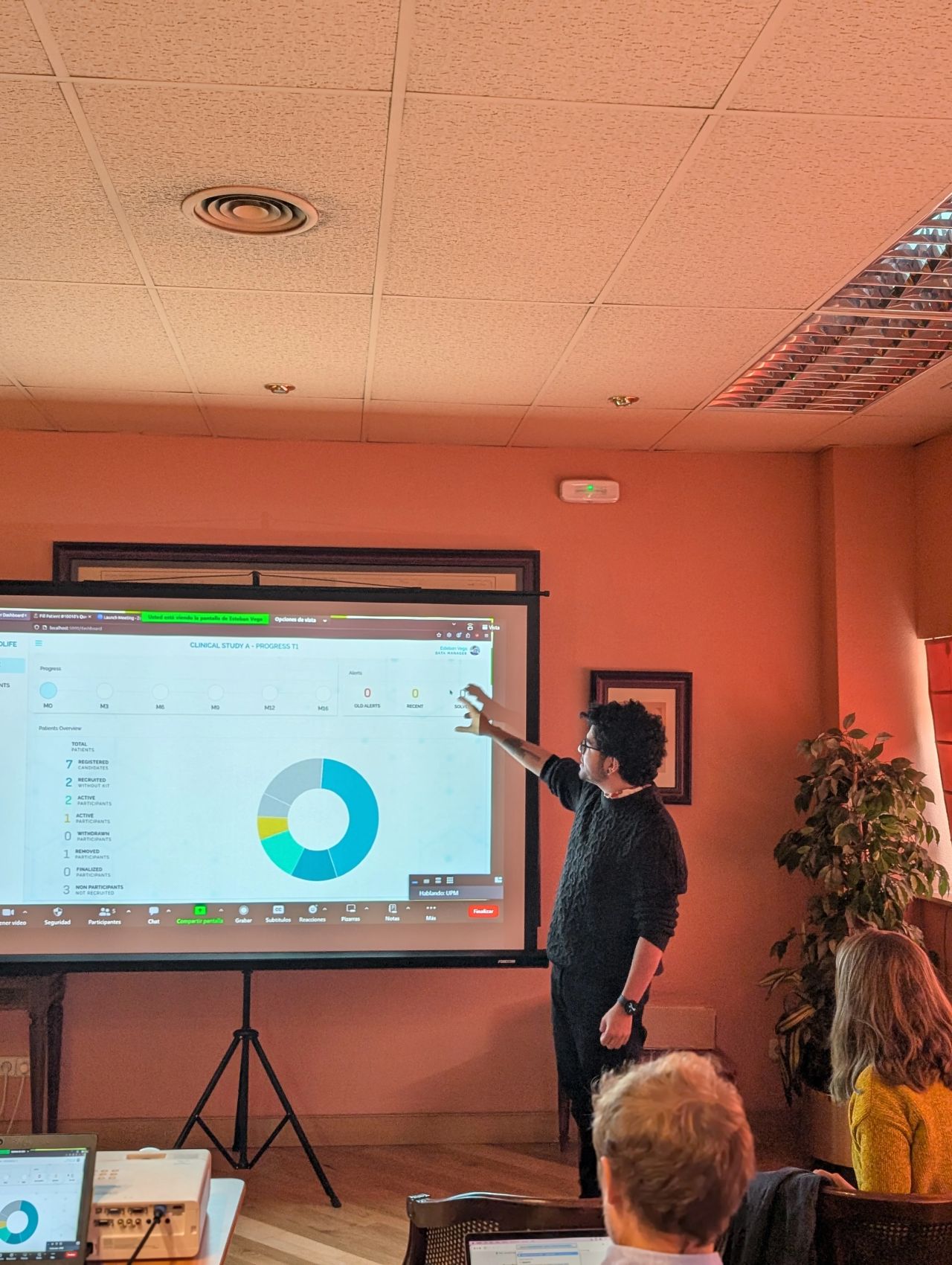
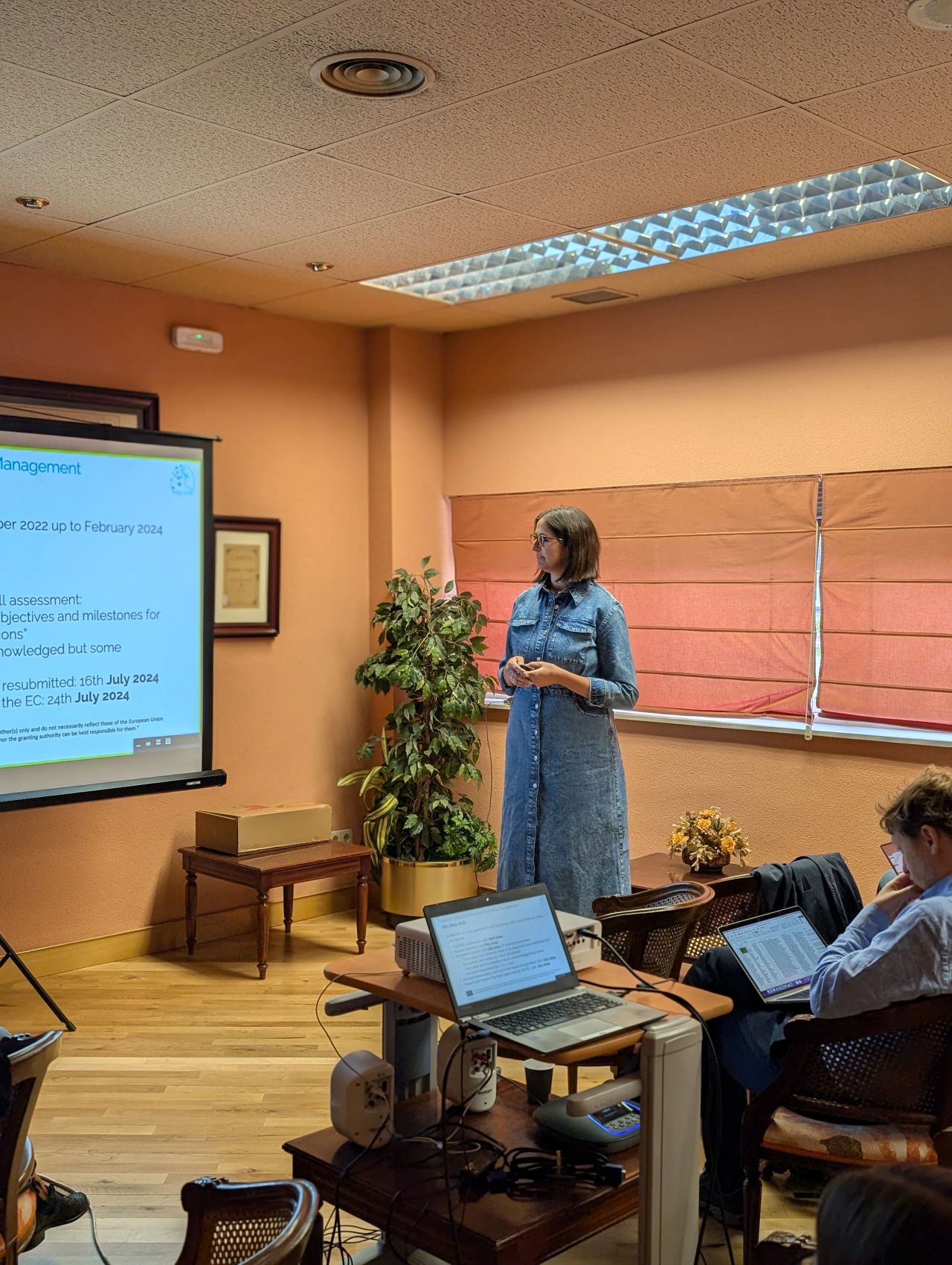
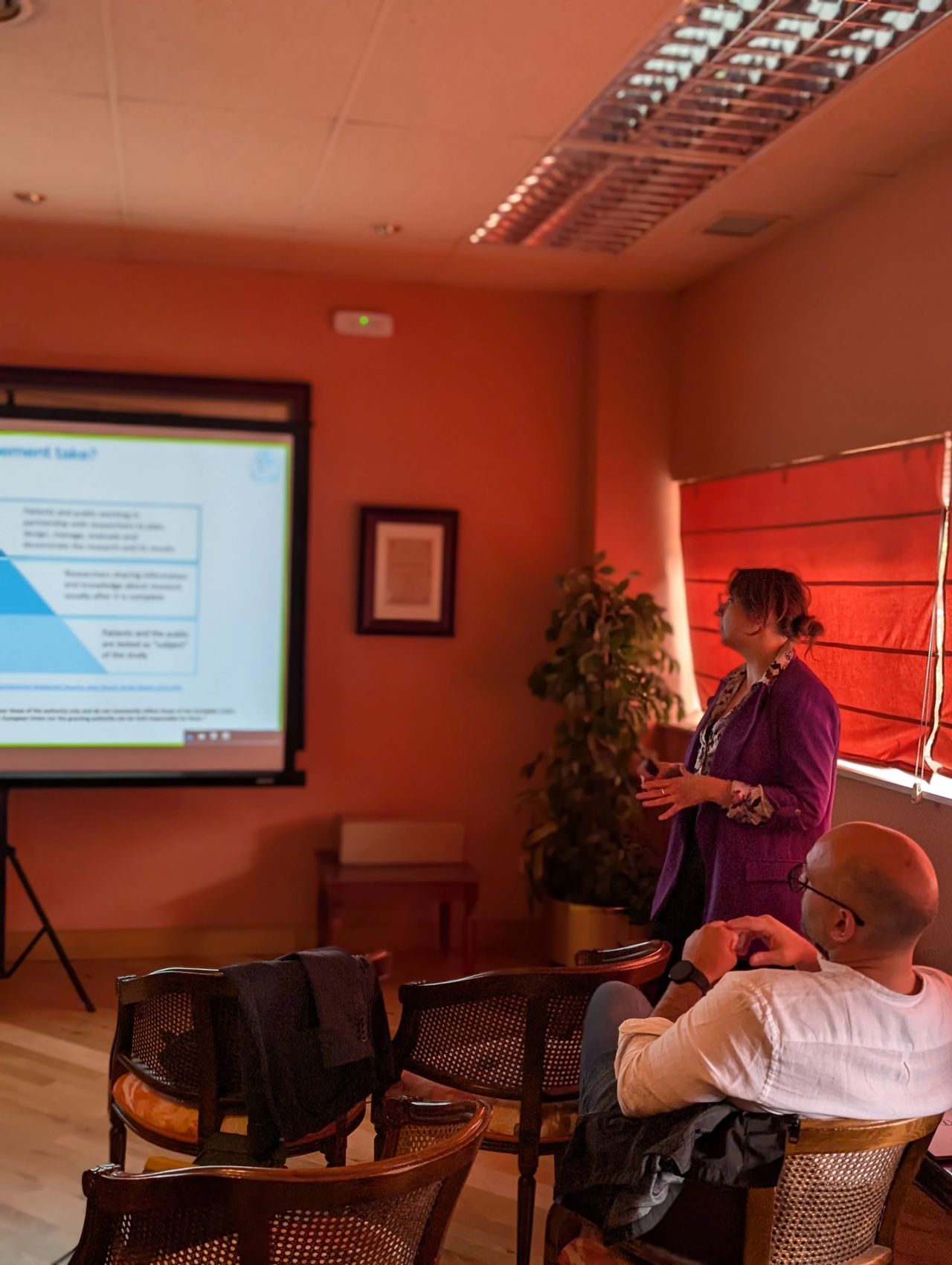
The TOLIFE project convened its General Assembly at the Universidad Politécnica de Madrid on September 25-26, bringing together researchers, project partners, and patient representatives to assess the progress and define future strategies.

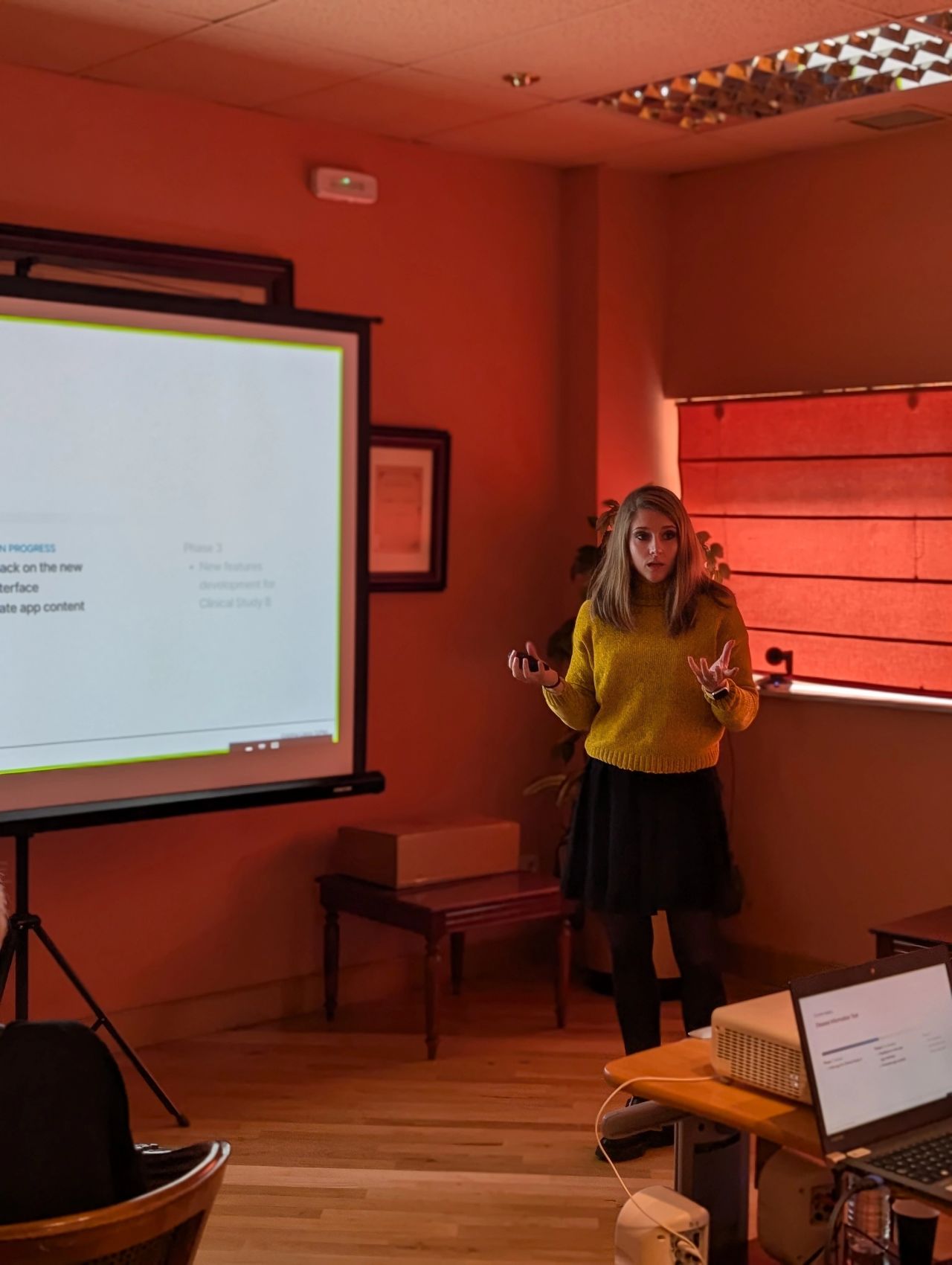
The first day began with presentations on key Work Packages, focusing on Project Management, Communication, and the development of critical components such as Analytics Tools, Smart Sensors, and the Collection Platform. In the afternoon, the discussions shifted to refining these technical elements, particularly exploring ways to enhance software interfaces and expand the project’s analytical capabilities. A highlight of the day was the involvement of the Patient Advisory Group, whose feedback reaffirmed the importance of maintaining a patient-centered approach throughout the project.

The second day featured a deep dive into the legal and ethical aspects of AI technology within the context of the TOLIFE project. A dedicated workshop on the EU Artificial Intelligence Act sparked engaging conversations on compliance and the ethical use of AI, helping the team align on best practices and regulatory considerations.

The two-day assembly fostered meaningful dialogue and set clear priorities for the next phases, ensuring that TOLIFE continues to advance in its mission to improve patient outcomes through cutting-edge technology and research.

TOLIFE Project Kicks Off Clinical Study A for COPD

By Articles, News No Comments

9 July 2024

The TOLIFE project, aimed at revolutionizing the management of Chronic Obstructive Pulmonary Disease (COPD), has officially commenced its Clinical Study A. This milestone marks a significant step forward in the project’s mission to enhance the quality of life for COPD patients through personalized treatment and advanced technological solutions.

The Role of AI in COPD Management

TOLIFE leverages artificial intelligence (AI) to process daily life patient data captured by unobtrusive sensors. This AI-driven approach is designed to optimize personalized treatment, assess health outcomes, and ultimately improve the quality of life for COPD patients. By predicting and mitigating exacerbations, the TOLIFE platform aims to reduce mortality, enhance health-related quality of life, and lower healthcare costs.

Clinical Study A: A Key Component of TOLIFE

Clinical Study A is a crucial element of the TOLIFE project. The recruitment started in June 2024 and each participant will be monitored for 12 months. This study will focus on registering exacerbations and conducting periodic clinical examinations to provide essential clinical references for the AI tools being developed. The data collected from this study will be instrumental in:

  1. Developing a model to detect severe COPD exacerbations at an early stage.
  2. Creating a model to assess the impact of COPD and its comorbidities on patients’ health status and quality of life.

Progress and Next Steps

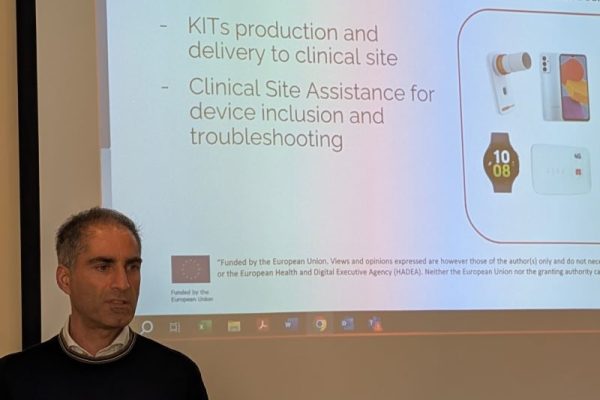
The Clinical Study A has successfully begun, with all necessary smart sensor kits delivered to Germany and Spain. Patients have started participating in the trial, and the platform is already collecting initial data for analysis. This early data collection is a promising start, indicating that the TOLIFE platform is on track to deliver valuable insights and improvements in COPD management.

By integrating advanced AI technologies with patient care, TOLIFE aspires to set a new standard in managing chronic diseases like COPD. The project’s commitment to enhancing patient outcomes through innovative solutions continues to drive its efforts forward.

Stay tuned for more updates on the progress and findings of Clinical Study A and other initiatives under the TOLIFE project.

Professor Tognetti presents TOLIFE Project at Robotics Festival in Pisa

TOLIFE Project presented at Robotics Festival in Pisa

By Articles, News, Public Events No Comments

26 May 2024

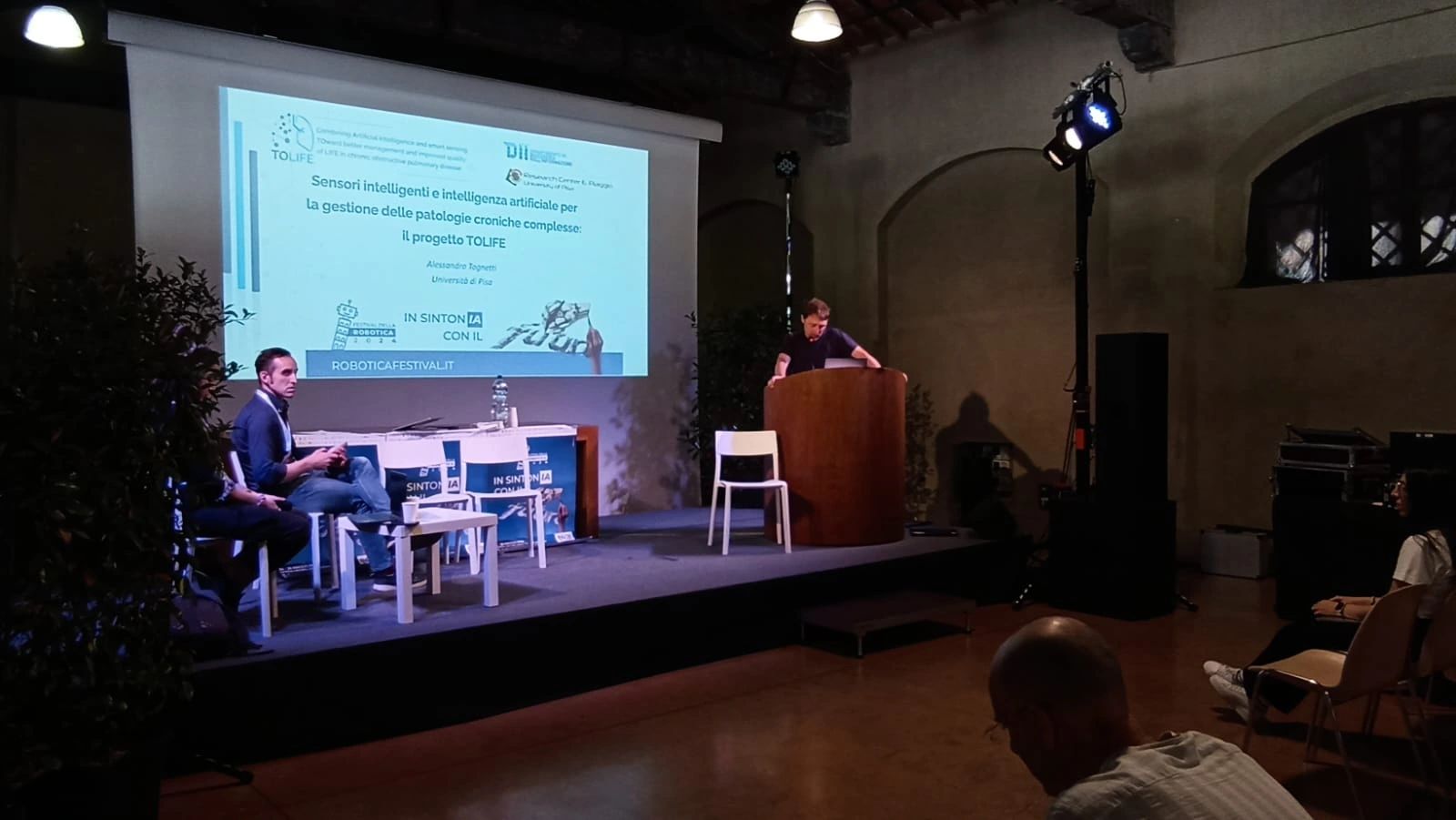
Professor Tognetti, the coordinator of the TOLIFE Project, presented an engaging talk at the renowned Pisa Robotics Festival.

The presentation, titled “Intelligent Sensors and Artificial Intelligence for Managing Complex Chronic Diseases: The TOLIFE Project,” showcased the innovative work being done to transform healthcare management through advanced technology.

The TOLIFE Project aims to clinically validate an artificial intelligence (AI) solution to enable optimized and personalized treatment for patients with complex chronic diseases, with a particular focus on chronic obstructive pulmonary disease (COPD). By analyzing daily patient data captured from non-invasive smart devices (such as smartwatches, smartphones, smart mattress covers, smart shoes, and environmental units), TOLIFE predicts exacerbations, assesses patient health outcomes, and characterizes patient health status.

During the talk, Professor Tognetti provided an in-depth overview of the non-invasive smart devices selected for the TOLIFE clinical studies. The discussion emphasized the data collection framework, the rationale behind selecting each specific sensor, the raw data associated, and the health parameters detected.

The event garnered significant attention, drawing experts and enthusiasts from the fields of robotics and healthcare technology. Positive feedback highlighted the audience’s interest in the potential applications of TOLIFE’s cutting-edge solutions.

Stay updated with more news on the TOLIFE project as we continue to innovate in healthcare technology.

For more information about the festival and other talks, visit the Robotics Festival website here.

The first TOLIFE Comic is out now!

By Articles, Comic, News No Comments

3 April 2024

In a collaborative effort spearheaded by ISGlobal, a compelling comic has been developed as part of the TOLIFE project, aimed at advocating good lung health and raising awareness about the hazards of tobacco consumption. This initiative involved a diverse array of stakeholders including patients, caregivers, and student groups.

The comic, available in Spanish, Catalan, and English, portrays a man smoking on a park bench amidst lush greenery. As he reminisces about his youthful days playing football, he decides to join a group of kids on the field. Despite showcasing his football abilities, his smoking habit becomes a hindrance, forcing him to stop playing after severe coughing. Inspired by a quote from former football legend Johan Cruyff, the protagonist decides to throw away his cigarettes, symbolizing a transformative journey towards better lung health.

Crafted through a meticulous collaborative process, the comic underscores the importance of making scientific knowledge accessible to the public. It aims to shed light on respiratory diseases and the detrimental effects of tobacco consumption.

The comic’s creation was made possible through the invaluable contributions of various stakeholders, including patient associations and student groups.

To experience the visually engaging and impactful TOLIFE comic firsthand, download the files and delve into its powerful narrative.

Watch the interview with Raul Toran on the creation of the Comic!